A Dog Training Collar For Multiple Dogs

Nothing makes the relationship between dog and owner more rewarding than having a reliable, well-trained pup. Unfortunately, even the best-bred and socialized dogs may develop bad habits that are hard to break through traditional obedience training methods; but an e-collar may provide the solution and make your pup an improved companion pet.

An electronic collar (e-collar) is a device which transmits an electric stimulation through metal contact points on its collar to your dog’s neck, depending on its type and intensity. An e-collar should only be used as a last resort after other training tools have failed such as verbal commands and positive reinforcement haven’t had success.

E-collars are typically designed to work from a distance, enabling you to send correction signals directly from home or vehicle. This eliminates the need for you to physically be present during training – an invaluable asset when working with multiple dogs at once or on extended hunting or hiking trips.

This collar features a four-channel remote with three safe training modes: vibration and adjustable shock levels. In addition, there’s also an automatic shut-off feature which shuts the collar off after 8 hours to protect your dog and save battery life; both transmitter and receiver are waterproof so they’re perfect for use in wet conditions.

One feature that sets this collar apart from its competition is its adjustable intensity level selector dial. Here, you can select from 99 levels of shock and vibration intensity so as to find your dog’s ideal match. Furthermore, its vibration feature can be set just prior to providing static stimulation (Continuous or Momentary), conditioning your pup to associate vibrations with correction.

Experimenting with the world of alcohol-free Spirits

In the last few years, there’s been a noticeable transformation in the world of drinks. With health-consciousness growing as well as a desire for informed choices, consumption of alcohol-free spirit has risen. Abstinence from alcohol associated with bland drinks and instead, it’s an chance to enjoy a variety of exciting and distinct flavours.

In this article, you’ll be taken on a journey to discover the fascinating world of alcohol-free spirits. We’ll take a look at the different kinds, analyze their flavor profile, and explore the ways they can be used as a basis for drinks that are enticing. So whether you’re a nondrinker, a designated driver, or simply looking to cut down on alcohol consumption, there’s something in the category of alcohol-free spirits designed for everyone.

The rise of alcohol-free spirits

It’s bold, innovative, and increasingly in demand liquor-free drinks have become the trendsetters in the beverage industry. Traditionally these drinks were confined to juices, sodas, or sugary mocktails. These drinks often did not leave drinkers feeling as though they weren’t getting sophisticated and complex mixed drinks made with alcohol. However, the development of alcohol-free spirits has altered the game entirely.

This trend doesn’t happen to be a fad. It’s indicative of the changing consumer habits. Consumers are looking for alternatives that allow them to enjoy a social drink and not suffer the adverse effects of alcohol. Whether it’s for health reasons or for pregnancy, sobriety or simply to taste new drinks, alcohol-free spirits carved out a niche in the market.

Alcohol-free Spirits: Different Types

In the case of alcohol-free spirits, their variety is astounding. Much like alcohol-based spirits they are available in a variety of styles, each with distinct flavor profiles. We’ll take a closer take a look at the top well-known types:

1. Non-alcohol Gin

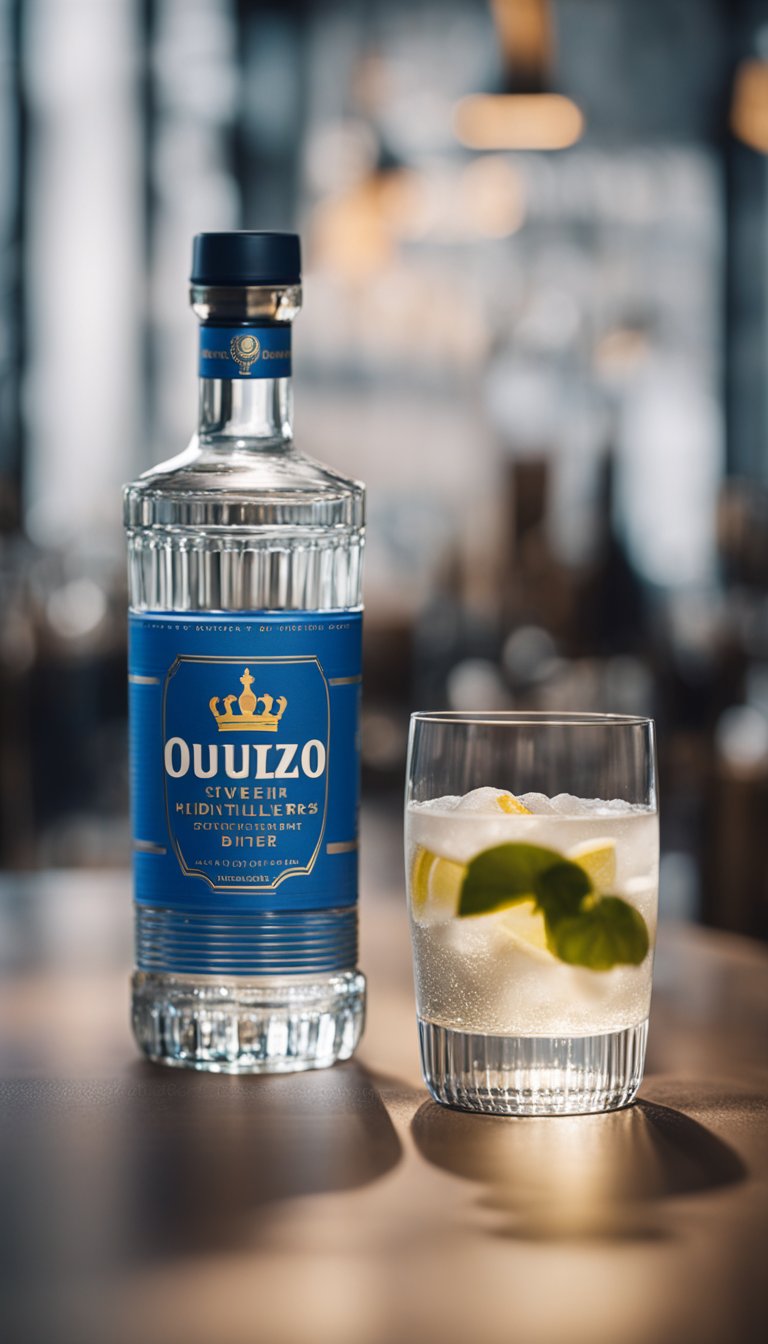
Gin that is well-known for its botanical infusions, now has its non-alcoholic cousin. Non-alcoholic gins capture everything traditional about gin, including juniper and a range of spices and herbs. They offer the familiar gin taste without alcohol, making them perfect to make alcohol-free versions classic cocktails such as the G&T.

2. Whisky that is alcohol-free

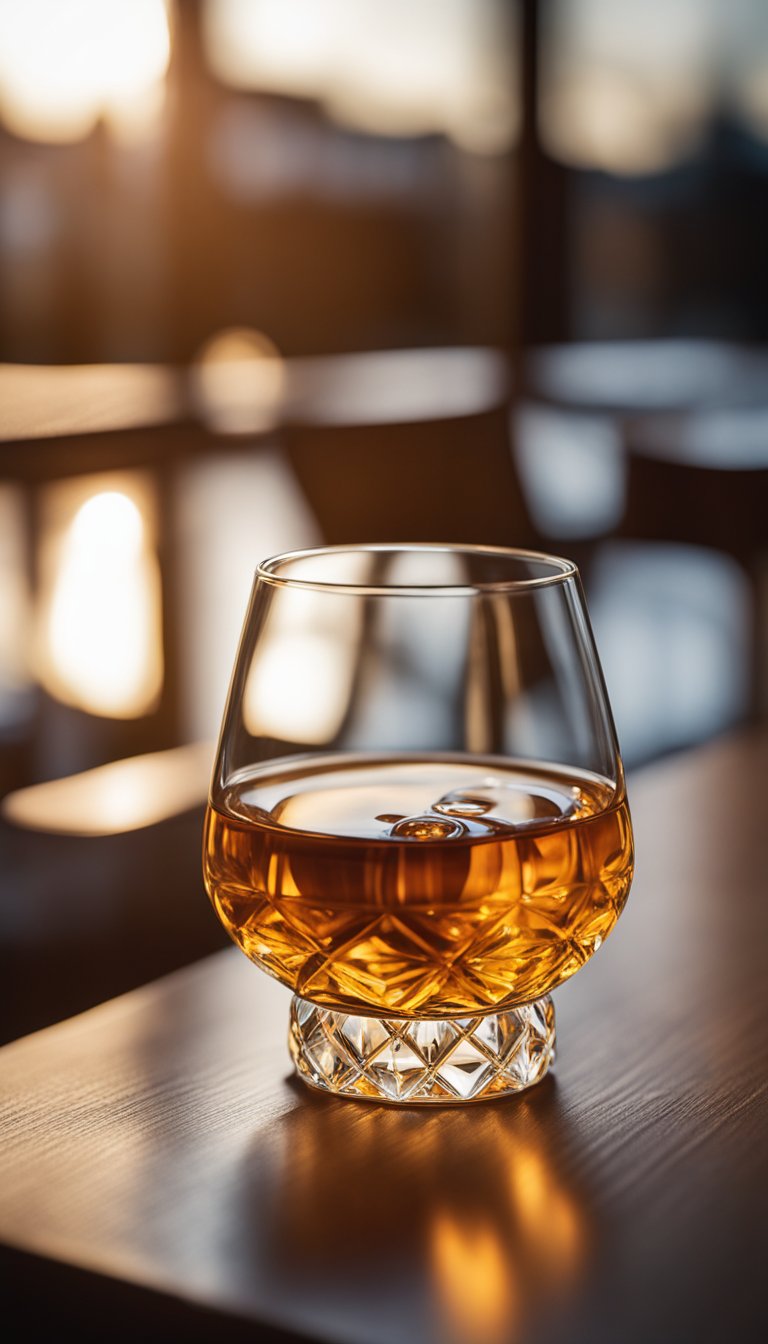
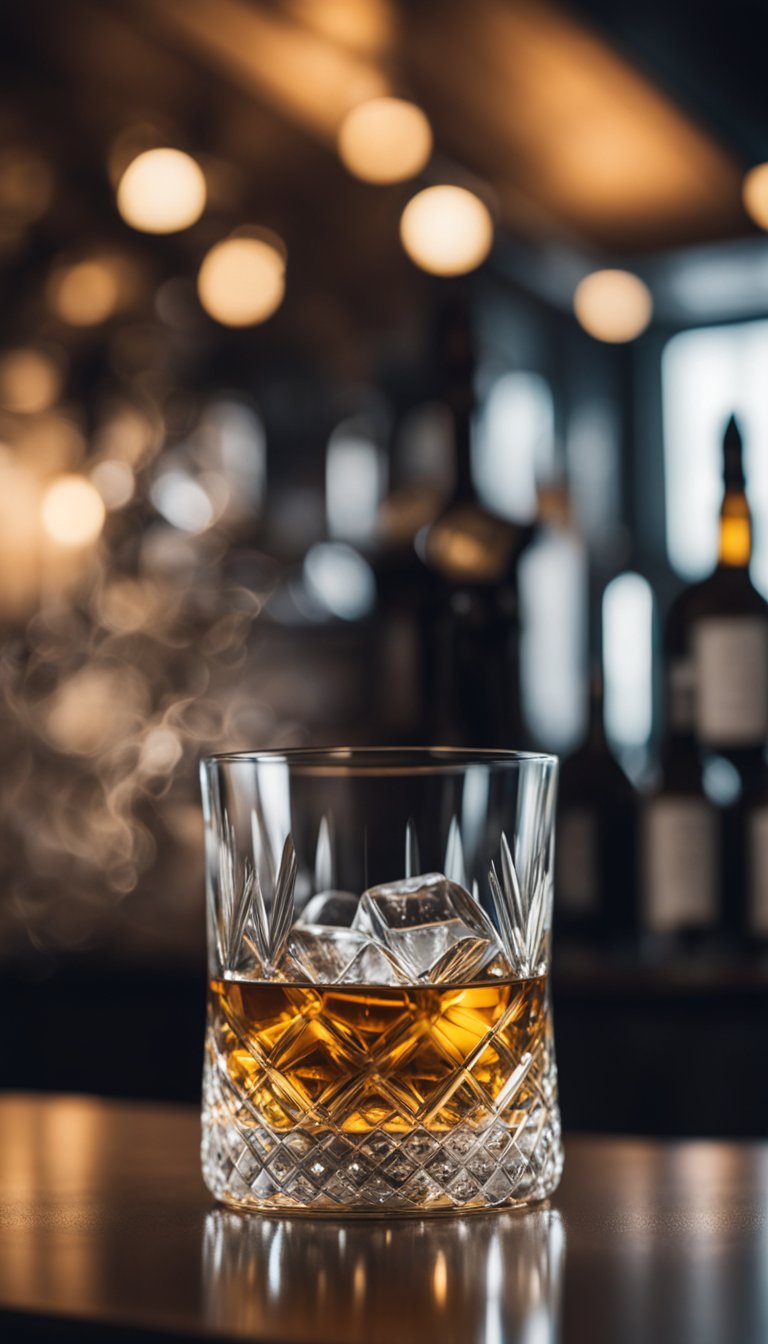
For whisky enthusiasts it is a daunting prospect to go in a non-alcoholic mode may seem sour. But whiskies made without alcohol are here to change that notion. These spirits replicate the smoky, woody, and sometimes peaty flavours of traditional whisky. You can drink it neat by itself, on the rocks or as part of an elegant cocktail, alcohol-free whisky unlocks new opportunities.

3. Non-Alcoholic Rum

The tropical allure of rum is undeniable. Non-alcoholic versions are now available to capture the essence. Infused with caramel, vanilla, and spices. Non-alcoholic rum is a fantastic choice for creating exotic cocktails that recall your preferred Caribbean holiday.

4. Alcohol-Free Vodka

Popular for its neutrality and flexibility, vodka is a widely used choice of spirit that is alcohol-free. Alcohol-free vodka provides a clean surface for mixologists to make numerous cocktails. From refreshing and fruity to spicy and bold there are endless possibilities.

5. Other Varieties

Beyond these fundamental categories the realm of alcohol-free spirits is growing. You’ll find alcohol-free Tequila, brandy and even amaro that is not alcoholic every one of them offering a unique tasting experience.

Flavor Profiles and Pairings

Each type of alcohol-free spirit has a distinct flavor profile, and understanding these profiles is necessary for creating delicious mocktails. As you would mix wine with food, alcohol-free spirits are able to be paired with a variety of ingredients to enhance the flavor. Here’s an idea of how to pair your spirits with elements that complement each other:

  • Non-alcoholic Gin The notes of plants in non-alcoholic Gin pair wonderfully with citrus, herbs such as mint and basil, as do floral components like lavender.

  • Alcohol-Free Whisky The smoky, woody notes of whisky that is alcohol-free shine when paired with sweet notes such as honey or maple and with spices like cloves, cinnamon and.

  • Non-alcohol Rum Fruits tropical like coconut and pineapple complement the Caribbean flavor of non-alcoholic rum spiced with spices like allspice and nutmeg enhance the flavor.

  • Alcohol-Free Vodka: Vodka’s neutrality makes it a great candidate for different flavors. It’s great with fruit in addition to herbs and spices, depending on the cocktails you’re wanting to mix.

  • Alternative Varieties The main thing to remember is to explore and test. It doesn’t matter if it’s non-alcoholic tequila made with lime and agave, or alcohol free Amaro with chocolate and coffee your options are restricted only by your creativity.

As we explore the world of alcohol-free spirits we’ll explore how these diverse ingredients are used to create classic cocktails, exotic fusions, also refreshing mocktails. In the next part we’ll provide you with the essential tools and ingredients necessary to begin your journey through mixology.

Are you eager to get going? In the next section, we’ll create your mixology stations and stock your pantry with everything you’ll need to make delicious alcohol-free spirits-based beverages. So, let’s begin!

Alcohol-free

Exploring Flavorful Mocktails using alcohol-free Spirits

In the world of beverages There’s a technique to making delicious alcohol-free drinks that aren’t boring. As we journey through the fascinating realm of spirits that are alcohol free, we come to a point that mixesology and creativity mix seamlessly. In this section we’ll look at how to create tantalizing mocktails using alcohol-free spirits which can be as good as their alcohol-based counterparts in taste and sophistication.

Unleashing Your Inner Mixologist

Before we begin creating mocktails it is essential to be prepared with the equipment and ingredients that will elevate our creations. This is what you’ll need

Essential Tools

  1. Cocktail Shaker The most essential tool for mixing ingredients, and keeping your drink chilled.
  2. Muddler for gently mashing fruits, herbs, or spices to release their flavor.
  3. Strainer to make sure your drinks are smooth and free of dirt.
  4. Jigger For precise measurement of ingredients.
  5. Stirring Spoon Ideal for combining ingredients gently, with no vigorous shaking.
  6. Glassware Glassware: A variety glasses to serve mocktails of various types.

Principal Ingredients

  1. Alcohol-Free Spirits are the most popular of all! Select from our selection of alcohol-free spirits that match your preferred flavor profile.
  2. Fruits and Juices: Fresh Fruits and Juices: Citrus fruits like lemons, limes, as well as tropical fruit and berries are a great way to add freshness and zing in your cocktails.
  3. Herbs and Spices: Basil, mint, cinnamon, and cloves are just a few examples of components that can add drinking experience by adding flavor.
  4. Sweeteners Some options such as simple syrup, sugarcane, or honey may balance the flavors.
  5. Soda Water: A must-have ingredient to create sparkling mocktails.
  6. Garnishes: Lemon twists, fruit wedges, and herbs can make your mocktails visually attractive.

How to Craft the Perfect Mocktail

Now that we have our items and ingredients in order It’s time to get into the world of mocktail creation. Let’s take a look at classic mocktail recipes that showcase the unique attributes of alcohol-free spirits:

1. Non-alcohol Gin and Tonic


Ingredients:

  • 2 oz Alcohol-Free Gin
  • 4 oz Tonic Water
  • 1 Lime Wedge
  • Ice Cubes


Instructions:

  1. Fill a glass up with ice cubes.
  2. Pour the gin without alcohol on the ice.
  3. Put the lime wedge in the glass and then drop it in.
  4. Add tonic water and stir gently.

2. Virgin Whisky Sour


Ingredients:

  • 2 two oz alcohol-free whisky
  • 3/4 oz Freshly Squeezed Lemon Juice
  • 1/2 oz Simple Syrup
  • Lemon Twist for Garnish
  • Ice Cubes


Instructions:

  1. In a shaker, add ice.
  2. Include the whisky with no alcohol in addition to lemon juice and simple syrup.
  3. Shake vigorously.
  4. Strain into a rocks glass that is filled with Ice.
  5. Garnish with a lemon twist.

3. Pina alcohol-free – a Colada


Ingredients:

  • 2 oz Alcohol-Free Rum
  • 2 oz Coconut Cream
  • 4 oz Pineapple Juice
  • Pineapple Slice and Cherry for Garnish
  • Crushed Ice


Instructions:

  1. Blend the alcohol-free spirit, coconut cream and pineapple juice with crushed ice until it is smooth.
  2. Pour the drink into the glass of chilled.
  3. Sprinkle with a slice alongside a cherry.

Here are several examples of mocktails you can create with alcohol-free spirits. The possibilities are endless, so you can play around with many different combinations depending on the preferences of your guests. Remember that the secret to making a good mocktail is balance aEUR” an amalgamation of sweet, sour, and aromatic ingredients to dance on your palate.

Exploring Mocktail Pairings

One of the best parts in making mocktails is finding the ideal pairings for various occasions and cuisines. Here are some tips to improve your mocktail experience:

  • Asian The flavors Make a pair of fruity mocktails with Asian foods like sushi, or Thai curries for an invigorating contrast.

  • Grilled Food A spicy and smoky mocktails taste great with grilled meats and other vegetables, providing the perfect balance.

  • Sweet Delights sweet mocktails with added spice are ideal companions for indulgent desserts that include chocolate or crA”me brA>>lA(c)e.

  • Brunch Bites Bright and refreshing mocktails work for brunch gatherings. They are great with meals such as eggs Benedict or French toast.

If we keep on with our travels into to the world of alcohol-free spirits and mocktail mixology The next stop on our journey will be exploring the positive health effects and responsibly consuming these wonderful drinks. Let’s lift up our glasses (mocktail glasses, that is) and enjoy the journey ahead!

In the upcoming section we’ll examine the health-conscious aspects of enjoying alcohol-free spirits and how they can become a part in a healthy and balanced lifestyle.

Your Direct Route to Non-Alcoholic Excellence: Bulk Order from Swedish Distillers!

The Health-conscious choice: Benefits from Alcohol-Free Spirits

As we continue to explore of the world of alcohol-free spirits, we are at the zenith of our journey of” knowing the numerous benefits to health that are associated with using these alternative alcohols. In this article we’ll look into the many reasons why individuals make the switch to alcohol-free spirits as a health-conscious choice and why it’s far more than an occasional trend.

The Wellness Movement and Alcohol-Free Spirits


Embracing a Balanced Lifestyle

In our modern, health-conscious society many people are reviewing their lifestyles and looking for balance in all aspects of life, including the foods they consume. Alcohol-free spirit has emerged as an option that goes with this ethos.


Reducing Alcohol Intake

One of the biggest reasons people pick alcohol-free spirits aims to lower their alcohol consumption. For personal health reasons, pregnancy, or simply the desire to become more mindful of the amount of alcohol consumed, alcohol-free spirits provide a solution to lets individuals enjoy the tastes of spirits without the associated alcohol content.

The benefits of cutting down on alcohol


Calorie Consciousness

Alcohol-free spirits typically are lower in calories than their alcoholic counterparts. This is attractive to people who are dieting and trying to enjoy a glass of wine without having to compromise their diet.


Hydration as well as Refreshment

Alcohol-free spirits can be enjoyed in different ways, including mixed with soda or water for a refreshing and refreshing option, especially during the summer months or after physical activities.


Don’t Have Hangovers

One of the main benefits of liquors that are alcohol-free is that they do not cause the occurrence of hangovers. One can enjoy the best flavours without suffering from the unpleasant side effects of alcohol consumption.

Responsible and Inclusive Socializing


designated drivers

Being a designated driver doesn’t mean you have to avoid fun drinks. Alcohol-free spirits allow designated driver to be part of social events, but without risking their safety.


Inclusivity

Alcohol-free spirits are inclusive so that everybody, even non-drinkers as well as those who have dietary restrictions, are able to be a part of toasts and celebrations without feeling secluded.

The Role of Mixology


The Elevated Mixology

Mixologists and bartenders are taking up alcohol-free spirits to create a canvas to explore their creativity. They craft complex and delicious cocktail recipes that do not contain alcohol and compete with counterparts with alcohol, making sure that those who do not consume alcohol are still able to get premium, handmade drinks.


Expanding Palates

For those who are looking for new taste experiences, alcohol-free spirits provide numerous flavors and profiles. From herbal and botanical to smoky and spicy you’ll find a wealth of palatable options to consider.

The Intersection of Flavor and Well-Being

As we navigate the realm of alcohol-free spirit and its numerous advantages, we see that these choices are more than a fashion. They are a lifestyle choice that is driven by a desire for wellness, inclusivity, and the joy of tasting flavours without the need to drink alcohol.

In our next issue in the upcoming section, we’ll take an in-depth to the creative side that alcohol-free spirits offer, and explore the most exciting recipes for mocktails that make your drink experience reach new levels. If you’re looking to learn more about how to make appealing alcohol-free drinks that are delicious, keep watching as we embark on an exciting mixology journey.

Do you want to discover the world of cocktails that are alcohol-free, and to discover the magic of mixology when you use these spirits? Let’s go on our quest and learn the art of creating delicious mocktails that are tasty as well as healthy.

The art of creating alcohol-free Mocktails: Elevate Your Sipping Experience

In our journey through the world of spirits that are alcohol-free, we’ve looked at how they can benefit your health, the rising popularity, and the many flavor options these spirits provide. So, now that we’ve delved deeper into the world of this fascinating we’ll come to an intersection where creativity meets refreshment aEUR” making the process of crafting mocktails without alcohol.

Mixology Unleashed, Creating Alcohol-Free Masterpieces


The Mocktail Renaissance

Mixology, the art and science of crafting cocktails, has taken on a new and exciting direction as alcohol-free spirits. Mixologists from all over the world are enjoying this trend and have created a renaissance of mocktails that contest the conventional rules of cocktail making.


Premium Ingredients

Just like top-quality spirits form the basis of classic cocktails. Top-quality spirits with no alcohol make up the main ingredient the modern mocktails. The spirits, infused botanicals such as herbs, spices, and even herbs offer a variety of flavors that are comparable to alcoholic counterparts.

Making your own mocktail that is alcohol-free


Elementary Elements

Making a mocktail that is alcohol-free starts by gaining a basic understanding of the components. You’ll require a base (the spirits that are alcohol free) along with mixers (juices, sodas, or beverages with flavors) as well as sweeteners (like syrups or honey) as well as garnishes (fruits herbal, herbs or spices).


Power of Presentation Power of Presentation

Presentation plays a significant role in the overall experience. From stunning glassware and elegant garnishes the visual appeal of an mocktail can enhance the drinking experience.

It’s a trip through the profiles of flavor


Citrus Sensations

Fruity flavors are a common choice in mocktail creation. The lemony flavors of citrus, lime, and orange can provide a boost of energy and a slight sourness drink.


Herbal Infusions

Herbs such as basil, mint and rosemary can give your cocktail with a splash of freshness. They’re typically mixed in or used as garnishes to release aromatic oils.


Fruit Fusions

Fruits are the top-quality mix-in ingredients. Be it the sweet tang of strawberries, the tropical flavor of pineapple, or the earthy depth of berries. The fruits add an element of character and dimension to your drinks.

Mocktail Recipes that Will Inspire Your Inner Mixologist


1. Sparkling Berry Bliss

Ingredients:

  • 2 oz alcohol-free berry-infused spirit
  • 1 oz cranberry juice
  • 1 oz sparkling water
  • Fresh berries and mint leaves for garnish


2. Citrus Sunrise Fizz

Ingredients:

  • 2 oz alcohol-free citrus spirit
  • 1 oz orange juice
  • 1 oz pineapple juice
  • A splash of the grenadine
  • Maraschino cherry and orange slice for garnish


3. Herbal Elegance

Ingredients:

  • 2 oz alcohol-free herbal spirit
  • 1 oz lemon juice
  • 1 1-ounce honey syrup (equal parts water and honey)
  • Fresh rosemary sprigs with lemon twist for garnish

Drink Mixology Mocktail: When Flavor meets Wellness

Making alcohol-free cocktails is not only about imitating classic cocktails. It’s about creating a whole new range of flavors and experiences. Each cocktail is an opportunity to discover, play around, and taste different flavors while making healthy choices.

What’s next on our Journey?

While we’ve uncovered the secrets to mocktail mixology and having fun creating your alcohol-free masterpieces through the world of alcohol-free spirits goes on. The next section we’ll discuss the importance of responsible drinking and socializing while showing how alcohol-free spirits are shaping more open and thoughtful drinking culture. If you’re intrigued what the future holds for social drinking, keep on reading and let’s investigate with you.

vodka

The future of alcohol-free Spirits: Redefining Social Drinking

We are pleased to present the conclusion of our article series on alcohol-free liquors. In this final piece, we go on a voyage into the future that is social drinking, investigating how alcohol-free spirits have reshaped consumption habits. In this article, we’ve been able to discover the benefits of wellness along with the art of creating mocktails as well as the intriguing flavor options offered by alcohol-free spirits. Let’s take a look at the crystal ball and imagine an age where inclusive, mindful, and enjoyable social drinking transcends boundaries.

The Rise of Mindful Consumption


A Shift in Perspective

One of the most fascinating developments we’ve seen over the last few years is a shift to a different perspective concerning drinking. More individuals are choosing to be mindful about what they consume, making educated decisions that are in line with their well-being and health desires.


Alcohol-Free as the New Norm

Alcohol-free spirits have played a crucial factor in this shift. They allow people to take pleasure in the social aspects and enjoyment of drinking without the alcohol content. Therefore, people can enjoy a drink with a great taste but remain in complete control of their drinking habits.

An Inclusive Drinking Culture


Breaking Barriers

The world of alcohol-free spirits is breaking down traditional limitations associated with drinking. When someone decides to abstain from alcohol because of health, religious or for personal reasons, they may remain a part of social drinking and events without feeling restricted.


Creative Mocktails for All

The increase in alcohol-free spirits has set the stage for a new era of mixology innovation. Restaurants and bars are equipped to provide a wide range of mocktails. It’s ensuring that people who do not drink can have drinks that are just as exciting as traditional cocktail drinks.

Redefining Social Gatherings


The Host for Alcohol-Free

The way we host social gatherings has evolved with the availability of alcohol-free spirits. People who do not want to serve alcohol can provide a wide array of delicious mocktails, making sure that guests will have something distinct to drink.


the Responsible Choice

Being a responsible host has never been easier. With alcohol-free spirits available, you’re not only accommodating all your guests, but also encouraging responsible drinking.

A peek into the Future


Innovative Ideas Await

When we look ahead we are likely to see even more technological innovation in the liquor-free spirits industry. From new flavor profiles to sophisticated distillation techniques the options for alcohol free drinks are bound to increase.


Global Adoption

Alcohol-free spirits are becoming more popular worldwide. As more and more people accept this style of drinking, it will become more prevalent to see alcohol-free beverages on menus, and at gatherings across the world.

A Review of Our Journey

Before we conclude this program for the year, let’s pause to reflect on the most important points we learned from our study of alcohol-free spirits:

  • Section 1 It was our first journey by investigating the wellness benefits of alcohol-free spirits, such as improved sleep, to a reduced calories.

  • Article 2: The art behind making mocktails alcohol-free, where inspiration never ceases to be a thing, and presentation is everything.

  • Article 3: Taste buds excited as we explored the variety of flavors, such as citrus aromas, to herbal infusions.

  • 4.“We became mixologists for ourselves, playing around with mocktail recipes that are awe-inspiring and enthralling.

  • Article 5 (This Article): We gazed into the future of social drinking, where mindfulness, inclusiveness, as well as innovation reign supreme.

Cheers to a Brighter Future

As we raise our glasses filled with tasty alcohol-free mocktails of courseaEUR”let’s raise a glass to a new future in which drinking with friends is more welcoming, responsible and enjoyable than before. Alcohol-free spirits haven’t just expanded our beverage options but have also altered our approach to drinking. So while sipping a refreshing drink with citrus flavor or a sophisticated herbal elixir, be aware that you’re part of a movement that’s transforming the way we enjoy beverages.

Thank you for joining us on this fascinating journey through this world full of spirits that are alcohol free. We’re sure you’ll continue to explore, experiment, and enjoy the delicious flavors that this trend is gaining momentum to offer.

A toast to a brighter, more inclusive future of social drinking!

Understanding EU Regulations on Non-Alcoholic Beverages You must read this guide to ensure The Compliance

In the area of drinking and eating, compliance with regulations is not only a legal necessity but an essential element of consumers’ trust and safety. It is the European Union (EU), is known for its strict rules, places a great deal of emphasis on ensuring non-alcoholic beverages comply with the highest standards of quality and safety. This article, which is the first in the series, will attempt to unravel the complexities of EU regulations for non-alcoholic beverages.


Comprehending the EU Framework


A brief overview of EU Regulatory Organisations

At the core of EU rules for non-alcoholic drinks are various key regulatory bodies, each playing a vital part in ensuring that the products in the market are and are safe to consumers.

1. It is the European Commission: Often considered the executive branch within the EU and the European Commission takes charge of making legislative proposals and implementing decisions. In the case of food and beverage regulations the Commission has a major role in setting the regulations which non-alcoholic drinks can function.

2. EFSA (European Food Safety Authority ):> This independent agency offers scientific advice on foods and feed safety to members of the EU institutions. The EFSA’s experience is crucial to assessing the safety and quality of ingredients and other additives in non-alcoholic beverages.

3. National Authorities In addition to EU-wide rules, each member states may have particular rules. National authorities monitor compliance with EU regulations at the local scale.


Legitimate Framework

Understanding EU regulations regarding non-alcoholic drinks requires knowledge of the legal framework that regulates the rules. The EU utilizes two major types of law which include directives and regulations.

EU Regulations: They are directly applicable to all member states and don’t require separate national legislation. When an EU regulation is adopted then it becomes law in all member states simultaneously.

EU Directives: Directives, on the other hand, lay out the goals that state members must reach. It’s then up each state member to adopt its national laws to comply with the directive.

The interaction between EU regulations as well as the state-specific laws of member states may sometimes be complex, requiring companies to be aware of both the broad EU regulations as well as specific country-specific laws.

Knowing the rules and regulations will become the first step in making sure that you are in the compliance of EU guidelines for alcohol-free beverages.

In the next section we’ll discuss specific aspects of EU regulations, specifically specific labeling and ingredient requirements that are crucial to businesses operating in the beverage industry.


Follow us as we explore the intricacies of ingredient labeling and regulations within the EU for non-alcoholic drinks.

zero

Finding the EU Regulations: Labeling and Ingredient Requirements in Non-Alcoholic Beverages

In the previous section, we embarked on a trip to better understand the complicated web of EU laws that regulate non-alcoholic drinks. Now, let’s dive deeper into the specifics of the regulations, focusing on the labeling and ingredient requirementsaEUR”a essential area of conformity that is essential for any business operating in the drink industry.


Labeling Guidance


Clarity and Transparency

EU regulations are very precise when it comes to the labeling of non-alcoholic drinks. The aim is to ensure that consumers get exact and precise information about the products they purchase. Here are some important elements of the guidelines for labeling:

1. Name of the beverage The name must clearly state the type of the product. False names that can confuse consumers are prohibited.

2. Ingredients List: All non-alcoholic beverages have to include a list ingredients including each ingredient in descending order of weight.

3. Allergen Information: If a beverage has any of the 14 allergens that are listed by EU rules (e.g., nuts, milk and gluten) these must be explicitly identified on the list of ingredients.

4. Net Quantity: the quantity of the beverage must be declared in liters centiliters, milliliters, kilograms grams or milligrams in relation to the beverage.

5. Best Before/Use-By Dates: Non-alcoholic beverages with a shelf life of less than 18months must contain a “use until” date. If they have a longer shelf life must include an “best prior to” date.


Nutrition Declaration

Recent years have seen EU regulations have mandated alcohol-free beverages to offer nutrition information per 100ml the product. This includes information on calories and quantities of saturates, fats sugars, carbohydrates, protein, and salt.


Ingredient Requirements


Use of Additives

EU regulations strictly control the use of added ingredients in non-alcoholic beverages. Additives have to be licensed and safe to consume, and have a purpose that is technological (e.g., colorants, preservatives and sweeteners).


Natural Mineral Waters

In the case of beverages that are advertised as “natural mineral water,” EU regulations are particularly rigorous. The waters must come from sources that are recognized and meet specific criteria regarding mineral content and purity.


Fruit Juices and Nectars

If a beverage that is not alcoholic contains nectars and juices from fruits, it should be in line with the defined guidelines for the content of fruit. For example, nectars made from fruit must have at least 25 percent the fruit content.


Sweeteners

The use of sweeteners is controlled to ensure safety and ensure the protection of consumers’ interests. Labels should clearly show the presence of sweeteners.


What’s Next?

As we’ve seen, EU regulations on labeling and the requirements for ingredient use in non-alcoholic beverages are extensive as they are designed to protect consumer concerns. Being aware of and observing these rules is vital for businesses operating in this sector.

In the next article this section, we’ll discuss standardization of safety and quality by exploring how EU regulations ensure that non-alcoholic beverages meet the highest standards of quality. Join us on this journey to unravel the complexities of EU regulations more.


Stay tuned as we discover the complexities of quality and safety standards created by EU regulations for non-alcoholic beverages.

Maximize Profits with Premium Bulk Non-Alcoholic Spirits from Swedish Distillers!

Security and Quality Standards Ensuring top-quality non-alcoholic beverages in the EU

In our quest through the maze of EU regulations pertaining to non-alcoholic drinks we’ve found crucial information regarding ingredient requirements and labeling. Now, let’s continue our exploration by delving into the world of quality and safety standardsaEUR”critical aspects that uphold the integrity of these beverages in the European market.


Quality Standards


Water Quality

Water is the principal ingredient in numerous non-alcoholic beverages And its quality is vital. EU regulations require that the drinking water must meet stringent quality standards. This ensures that the water’s sources, treatment and transportation does not harm the quality of the beverage or its taste.


Natural Mineral Waters

For beverages labeled as “natural mineral water,” EU regulations are particularly stringent. The water must be sourced from sources that are recognized and meet the strict requirements of mineral content and purity. Mineral waters from nature are revered for their unsurpassed quality and distinctive mineral composition, which makes they a valuable asset for the non-alcoholic beverage industry.


Fruit Juice Purity

For drinks that contain fruit juices, the EU requires specific fruit-based content guidelines. For instance, nectars made from fruit require a minimum percentage of fruits to ensure the quality and authenticity of the drink.


Hygiene and Manufacturing Practices

Maintaining an impeccable level of hygiene during the production process is crucial. EU rules require that all companies involved in beverage production adhere to strict hygiene and safety standards to prevent contamination and ensure the safety of products.


Safety Standards


Microbiological Criteria

Microbiological safety is an essential aspect of non-alcoholic beverage production. EU regulations establish microbiological criteria to ensure that drinks are free from harmful microorganisms and bacteria that could pose health risks to consumers.


Contaminant Limits

To protect consumers’ health, EU regulations define maximum limit for the various contaminants that can be found in non-alcoholic beverages. These contaminants comprise mycotoxins, heavy metals and residues of pesticides. Proactive monitoring and testing procedures are in place to ensure that the environment is in compliance with the limits.


Enhancement Safety

Additives in non-alcoholic beverages must be rigorously assessed for their safety. EU regulations require extensive tests of scientific research and risk assessment prior to the approval of additives for use. This ensures that consumers are not subjected to unnecessary risks.


the Role of Quality Control

Quality control plays an essential aspect in ensuring that all non-alcoholic drinks meet the highest standards in terms of quality and safety. Manufacturers are responsible for implementing stringent quality control procedures, from sourcing raw materials to the manufacturing stages.


What’s next?

Safety and quality standards are the pillars upon which the image of non-alcoholic beverages is built in the EU market. In our next article we’ll dive into the tangled world of packaging and marketing laws, explaining how these aspects impact the overall environmental compliance framework.


Stay tuned to see how we can enter the realm of marketing and packaging regulations. These are the essential components of EU compliance with non-alcoholic drinks.

mojito

Marketing and Packaging in the EU: Navigating EU Regulations for Non-Alcoholic Beverages

As we continue our journey through the intricacies of EU regulations governing non-alcoholic beverages, we find ourselves at a crossroadsaEUR”packaging and marketing. These factors are essential not only to ensure compliance as well as to get the attention of the consumers in a crowded market. Let’s explore the world of regulations for marketing and packaging in the European Union.


Package Regulations


Material Safety

The EU is committed to ensuring that the products used to package beverages do not cause harm to the drink’s content. Manufacturers must adhere to strict standards for products like plastics, glass, and even metals. This guarantees that the packaging does not alter the flavor or safety of the beverage.


Sustainable and Recycling

Environmental sustainability is a rising concern, and the EU encourages eco-friendly packaging. Regulations are designed to reduce trash and encourage recycling, by making targets for the use of recyclable materials as well as the reduction of waste from packaging.


The Labelling and the Presentation

Labeling is a crucial aspect of packaging. EU regulations demand the use of clear and precise information on labels. These include the brand name, ingredients nutrition information, as well as allergen declarations. The labels allow consumers to make more informed decisions and guarantee transparency.


Marketing Regulations


True Advertising

Non-alcoholic beverages sold in the EU should adhere to a set of principles of accuracy and truthfulness. The claims made in advertising, such as health claims or benefits from ingredients, must be supported by evidence from a scientific perspective.


Safety of Minors

Given the potential draw of non-alcoholic drinks to minors marketers must stay clear of targeting this particular group. The EU sets strict guidelines to prevent advertising that may promote drinking by people under age.


Alcohol Imitation

Non-alcoholic drinks shouldn’t be used to mimic the appearance or packaging of alcohol-based beverages. This can prevent confusion for consumers and ensures that the promotion for these beverages is clear and clear.


Challenges and Innovative Ideas

Making sense of the regulations for marketing and packaging can be daunting, but they also open up opportunities for creativity. Numerous companies are turning to eco-friendly packaging options that correspond with regulatory requirements as well as consumer demand for environmentally friendly alternatives. Innovative marketing strategies that concentrate on health benefits, as well as distinctive flavor profiles are beginning to gain traction in this EU market.


What’s Next?

Our examination of EU regulations for non-alcoholic beverages could not be complete without considering the important aspect of ensuring compliance to these regulations. In the next section, we’ll go into the strategies and best practices to help firms ensure compliance with strict standards of the EU.


Keep watching as we identify the keys to comply with EU rules for alcohol-free beverages.

Finding the EU Regulations for Non-Alcoholic Beverages: A Complete Guide

Welcome to the fifth and final edition of our complete guide on how to navigate EU regulations for non-alcoholic beverages. Through this series, you’ll have dived into the complicated world of regulations governing the production in the areas of labeling, safety and promotion of non-alcoholic drinks in the European Union. In this concluding piece we’ll review a few of the most important points from each section, and offer closing thoughts on the challenges and opportunities in this tightly regulated sector.


Review of Our Journey


Part 1: Production Standards

In the first piece, we looked at the standards of production that are set by the EU for non-alcoholic beverages. The most important takeaways are:

  • High standards of hygiene and safety for production facilities.
  • Guidelines for ingredient selection and the quality.
  • The importance of adhering to maximum residue levels in pesticides and other contaminants.
  • How adherence in accordance with Good Manufacturing Practices (GMP) is essential.


Section 2 The Nutritional Information and Labeling

In our second article we talked about the importance proper labeling as well as nutritional information. Highlights include:

  • Correct and clear labeling requirements such as ingredient lists food information, and allergen declarations.
  • The importance of honesty in advertising and the necessity of proof of scientific research to support claims.
  • The prohibition of fraud by misleading consumers with false promises.


Part 3: Safety and Quality Assurance

Our third article was dedicated to safety as well as quality assurance. Important points discussed:

  • Safety standards that are stringent to avoid contamination and guarantee the safety of non-alcoholic beverages.
  • The role play by Hazard Analysis and Critical Control Points (HACCP) in providing food safety.
  • Monitoring and traceability that allows you to quickly uncover and resolve safety issues.


Section 4: Marketing and Packaging

In the fourth piece we looked at the regulations relating to packaging and marketing:

  • Material safety standards for packaging materials to prevent contamination.
  • Emphasis on recycling and sustainability in packaging.
  • Guidelines to ensure that advertisements are honest to protect minors as well as the prevention of counterfeit alcohol.


Opportunities and Challenges

As we wrap up our trek through EU regulations for non-alcoholic beverages there is no doubt that this business is a challenge and opportunities. The biggest challenge is navigating the maze of regulations for compliance, while keeping up with the changing preferences of consumers for sustainable and healthy choices.

However, there are plenty of possibilities for companies who embrace these opportunities:

  • Innovative: Developing eco-friendly packaging and marketing strategies focusing on health benefits will set you aside in the market.

  • Transparency: Respecting labelling and advertising regulations not only ensures compliance but also builds consumer trust.

  • Protection: Prioritizing security and assurance will protect your brand’s reputation while protecting the consumers.


Conclusion

In this series, we’ve journeyed through the multifaceted realm of EU regulations governing non-alcoholic drinks. From production guidelines to packaging marketing, safety, and packaging being compliant is essential to achievement in this field.

As you navigate these laws make sure to remember that these regulations are in place to protect consumers and provide the best quality standards. Encourage innovation, sustainability and transparency to succeed within the crowded EU sector for non-alcoholic drinks.

Thank you for joining us on this educational journey. We wish you a wealth of knowledge about the regulatory landscape of non-alcoholic beverages in the EU.


Recap of All Articles in this Series


Continue to make progress towards success in the field of non-alcoholic drinks Always stay abreast with the newest EU rules and regulations.

How to understand the Market Landscape

In the constantly evolving world of drinks, a different player has gained attention: alcohol-free spirits. These innovative concoctions have been gaining a lot of attention in recent years, as people increasingly seeking alternatives that are not alcoholic. In this extensive exploration we will explore the alcohol-free spirit market, in particular, the current state and future growth prospects in the EU as well as the UK. We’ll be taking you on a tour of the exciting world of.

The soaring popularity of alcohol-free Spirits


The Numbers Don’t be deceived!

First, let’s take in a moment to understand the scale of the market’s growth. in the EU and UK, the demand for alcohol-free spirits has risen dramatically. By 2022, the market is estimated to be worth a staggering,!X billion and experts believe it will continue its upward trend, achieving a,!Y billion in 2025.


Consumer Preferences Redefined

Why has this dramatic rise? The reason lies mostly in changing consumer habits. A growing concern about health and more conscious drinking have led people to search for alternatives to traditional alcohol beverages. Alcohol-free spirits are a clear alternative to these changing expectations.


A Sneak Peek Inside the Brands

In this market, many brands have seen significant progress. Brands such as “Spirito” and “Elixiria” have seized market share with their diverse assortment of alcohol-free spirits. Spirito’s scented botanical blends as well Elixiria’s elixirs with fruit have become well-known names, evidence of the ability of the industry to create compelling alternatives.

Navigating Regulatory Seas


Understanding the Laws

Before diving in deeper, it’s crucial to navigate the regulatory waters that surround alcohol-free spirits. Within the EU and UK these products are subject to specific regulations that separate them from traditional spirits that are alcoholic. Understanding these rules is essential for businesses operating in this sector.


The Composition of Labels and the Language

A major aspect of regulation concerns labeling and composition. Alcohol-free spirits have to clearly identify their alcohol content. Typically, it is lower than 0.5 percent ABV (alcohol to volume). This ensures transparency for consumers and allows them to make informed choices.


Marketing and Branding

The marketing and branding of alcohol-free spirits ought not to be misleading consumers. It is important to strike a balance between advertising the product as a viable alternative to alcohol and identifying it as a distinct offering is essential.

Now that we’ve navigated through the regulatory and market aspects, let’s dive into the realm the world of spirit that is alcohol-free. In the following section, we’ll discover interesting market trends and emerging patterns that are shaping the dynamic industry. Join us in this exploration of health-consciousness, innovation and the exciting prospects of alcohol-free spirits.

No

A Sips of Innovation Emerging Trends in the Alcohol Free Spirit Market

After laying the groundwork by understanding the alcohol-free spirits market’s current status now, let’s focus our attention on the horizon. In this section we’ll dive review of the new trends that shape both the EU and UK sector of alcohol-free spirits. Be sure to buckle up as we go on a journey of technological innovation, sustainability, as well as changes in consumer preferences.

Innovation and innovation are the main focus


Beyond the Mocktail

The days of boring mocktails are now gone. Perhaps one of the most striking trends in the alcohol-free spirit industry is the unstoppable in search of innovative ideas. Brands are pushing the limits of flavor profiles and leveraging exotic botanicals and advanced distillation techniques to make spirits with no alcohol that compete with alcoholic counterparts.


Aromatic Complexity

In the forefront are brands such as “AromaCraft” as well as “InfiniFlavor,” known for their distinct flavor profiles. From the smoky aroma of aged whiskey to the citrusy energy of a gin-inspired spirit These products demonstrate the artistic side of alcohol-free spirits crafting.


The Of The Rise of Limited Editions

Another exciting aspect of the new technology is the appearance of limited-edition alcohol-free spirits. Brands are playing around with limited-edition releases, working with famous mixologists, and adding rare ingredients to make intriguing and popular products.

Sustainability and Eco-Conscious Choices


From Field to Bottle

As consumers become increasingly eco-conscious and conscious of their environmental footprint, sustainability has become a defining theme in the alcohol-free spirit market. Many brands place a significant importance on the responsible source of materials and eco-friendly packaging. “EcoSip” and “GreenHarvest” are two examples of companies who are committed to the environment, utilizing organic, environmentally-friendly ingredients and recyclable packaging.


Reducing Carbon Footprints

The reduction of carbon footprints is a essential goal. Certain brands are adopting carbon-neutral manufacturing processes, reducing emissions, and employing environmentally responsible practices. These initiatives are popular with buyers looking for products that align with their beliefs.

In order to meet the varied needs of the consumer


Uncertainty of Choices Spectrum of Choices

One of the best aspects of the alcohol-free spirit market is its capacity to satisfy a variety of customer wants. It’s no more a one-size fits all scenario. Brands recognize that consumers have varying taste preferences and dietary restrictions.


Sugar-Free, Gluten Free, and beyond

Sugar-free products, gluten-free items, and alcohol-free beverages that are not allergen-free are easily available. Brands like “PureTaste” or “FreeFlow” are experts in the production of spirits that can be tailored to certain food preferences, ensuring everyone is a part of the alcohol-free pleasure.

When we travel through revolutionary waters and consider sustainability in the market for alcohol-free spirits, it’s evident that this sector is evolving rapidly in order to meet the demands of consumers. However, it’s not over here. In the next installment we’ll take a look at consumer patterns that are setting the course in this marketplace. Make sure you are prepared to navigate the myriad of choices consumers make and their preferences.

Direct from Producer: Secure Your Bulk Orders of Top-Tier Alcohol-Free Spirits with Swedish Distillers!

Becoming a Consumer: Understanding Preferences and Trends

In our journey through the ever-changing world of alcohol-free spirits, we’ve explored the market’s present state and marveled over the innovative patterns. Now, it’s time for us to examine what is driving the industry’s transformation: consumer behavior. Knowing what consumers are looking for and how they make choices are crucial for brands trying to be successful in the EU and UK the alcohol-free spirit market.

The Multifaceted Consumer


The Health-Conscious Consumer

One of most notable trends in consumer behavior is the growing awareness of health. Many people are choosing to drink alcohol-free spirits as a means to enjoy the pleasure of drinking a drink without the harmful health consequences of alcohol. These people are concerned with mental and physical well-being, and are typically drawn to spirits that offer the benefits of natural ingredients and health benefits.


the Culinary Explorer

The market for alcohol-free spirits is also attracting culinary enthusiasts who are enthralled by the art of mixology. They are looking for complex flavor profiles and unique herbal blends that will enhance their drinking experiences. They believe that alcohol-free spirits can be used as a backdrop for creative cocktails.


It is the Social Connector

Humans are social creatures. We are drawn to be connected with other people. Alcohol-free drinkers have their place in the crowd of those who wish to be a part of gatherings that are not influenced by alcohol’s influence. The segment is a fan of the social aspect that drinking drinks bring and the ability to enjoy refined drinks without hangover.

Consumer Behavior Trends


online discovery and Purchasing

The age of digital has changed how consumers find and buy alcohol-free drinks. Online platforms, from e-commerce sites and social networking sites, all play a pivotal part in influencing consumer preferences. Companies that make use of online channels for marketing and business are more likely to succeed.


Transparency and Authenticity

Consumers are demanding authenticity from the brands they purchase. They are looking for information on where the ingredients originate as well as the processes used to make products, and the values a brand upholds. Authenticity and a commitment to sustainable practices have a strong appeal to today’s shoppers.


The role of Reviews and Recommendations

Reviews and opinions, whether those from friends or online influencers can carry an important weight in the alcohol-free spirit market. The positive reviews and endorsements of experts are able to influence consumers’ choices. Brands should actively engage with their customers and encourage honest feedback.


Sustainability as a Key Driver

Sustainability is now no longer just a niche topic that is becoming a mainstay of consumer behaviour. Companies that embrace eco-friendly practices and demonstrate social responsibility are in a position at attracting consumers who agree with these principles.

What’s next

While we navigate the tangled market of consumer behavior trends there is no doubt that the alcohol-free spirit market does not just revolve around what’s inside the bottle, but also about the beliefs and experiences it embodies. In the following section we’ll reveal what strategies and methods brands are employing to meet these different consumer needs. You should be prepared to explore the strategies driving brands to the top of this rapidly changing industry.

Crafting Success: Strategies for Brands that do not contain alcohol.

In the constantly evolving world of alcohol-free spirits, brands are making success stories by understanding consumer behaviors and leveraging new trends. With consumers searching for safer, better, and socially connected alternatives alcohol-free spirits must make the most of their strategies to stand out in a competitive market. In this section we’ll go over the strategies which successful brands are employing in guiding you on a way to success in market. EU and UK market for alcohol-free spirits.

Strategy 1: Diverse Flavor Profiles


Bold and diverse Botanicals

Large brands are investing money into creating sophisticated flavor profiles to cater to various flavors. They’re using a wide array of herbs, each one chosen for their distinct contribution to the overall taste. This is a way to ensure that consumers can discover alcohol-free spirits that best suit their taste, whether they prefer something that is refreshing and citrusy or rich and spicy.


Limit Editions, and seasonal Releases

Exciting limited editions and seasonal releases create excitement and anticipation among customers. These special releases could showcase inventive flavor combinations or showcase the seasonality of ingredients, providing an incentive for consumers to try something new.

Strategy 2: Collaborations and Mixology


collaborations Mixologists

Working with world-renowned mixologists is a great strategy for companies. Mixologists can come up with signature cocktail recipes and cocktails that highlight the distinctive flavor of an alcohol-free spirit. Their expertise helps establish credibility for the brand and opens fresh possibilities for creative mixology.


Cocktail Recipe Collections

A lot of successful brands that are alcohol-free offer cocktail recipes. The collections encourage imagination and encourage people to try out different mixers, garnishes, and styles of presentation. Sharing these recipes via sites and social media can increase the engagement of brands.

Strategy 3: Eco-Friendly and Sustainable Practices


Sustainable Sourcing

Brands are increasingly adopting sustainable practices, from sourcing sustainable botanicals to reducing their carbon footprint. People are drawn to brands which promote sustainability as a primary selling aspect.


Eco-friendly Packaging

Eco-friendly packaging is a different trend that has the support of eco-conscious consumers. Brands are experimenting with innovative packing materials which are recyclable, biodegradable and even reusable. Innovative, eco-friendly packaging may set a brand apart on the shelf and in the minds of consumers.

Strategic 4: Engaging with Communities


Online Communities

Successful brands have online communities that let consumers communicate, share their experiences, and discuss ideas. These communities are a place for people to talk about cocktail recipes reviews, as well as innovative applications of alcohol-free spirits.


consumer feedback and its Iteration

Brands are always looking for and responding to feedback from customers. This approach of iterative improvement allows companies to develop their product such as flavors, scents, and strategies based on actual feedback. This also indicates a commitment to satisfy consumer demands.

Strategy 5: Innovative Marketing


Stories and brand values

Effective storytelling can help brands connect with consumers on deeper level. Brands are revealing their history, values, and their commitment to sustainability and wellness. They use storytelling to convey the personality of their brands and to demonstrate authenticity.


Partnerships With Influencers

Collaborations with influential people who align with the brand’s core values and its target audience can help increase the brand’s reach. Influencers tend to create compelling content that showcases brands’ products in a variety of contexts.

What’s next?

While we explore the strategies that are leading to success in the alcohol-free spirit market, we’re ready to tackle the final section of the study looking into the future. In the next chapter we’ll peek into the crystal ball and review the trends and predictions which will influence and shape the EU and UK alcohol-free spirit market in the coming years.
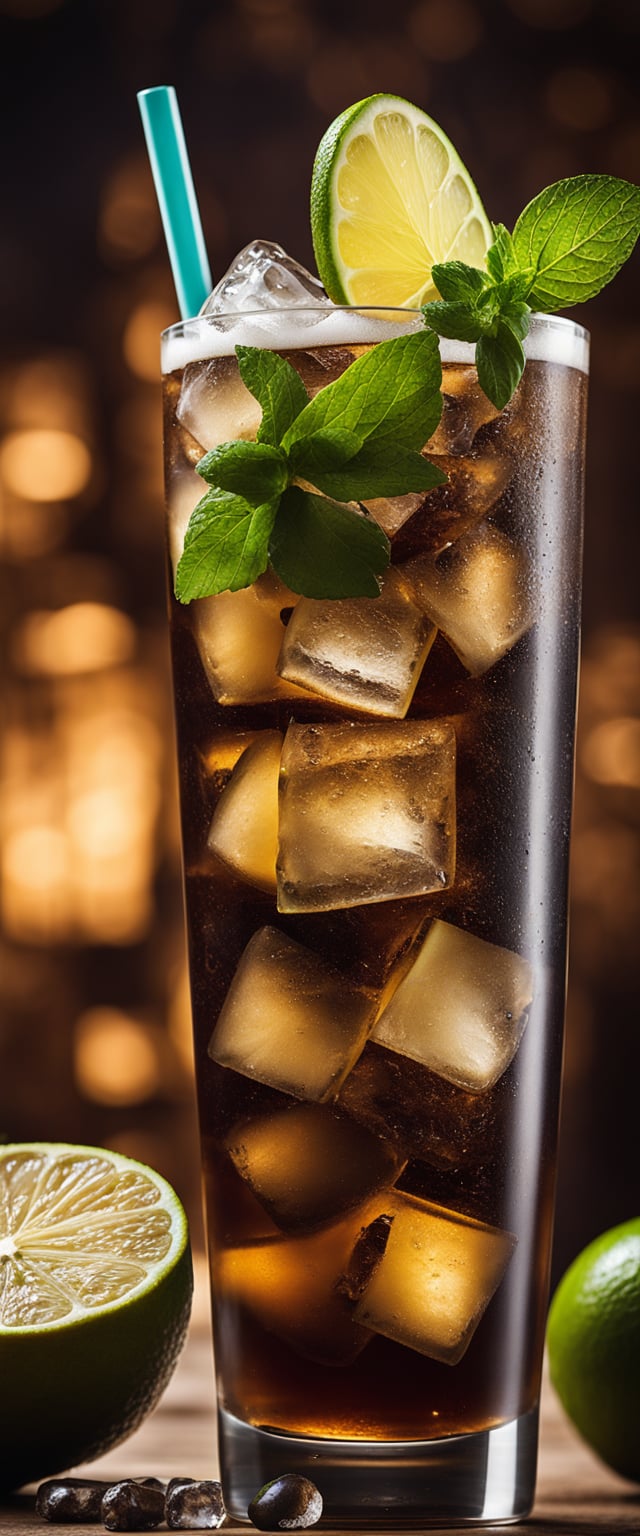
Zero

The Future of Alcohol-Free Spirits with Predictions and Trends

While we finish our voyage around the world that’s alcohol-free, we look towards the horizon, exploring the enthralling predictions and trends expected to alter the EU and UK market for alcohol-free spirits in the coming years. The journey has been insightful with us navigating through various aspects of this burgeoning industry starting from the beginning to the strategies that top brands are implementing to succeed. So, let’s take off on an adventure that looks forward.

“The alcohol-free spirit movement Continues


New Formulations

The market for alcohol-free spirits is expected to receive an increase in innovative formulations. Brands will push the limits, experimenting with exotic botanicals along with new flavors and imaginative methods to duplicate the richness and complexity of alcohol-based spirits. Expect spirits that go against the established rules and excite the palate.


Health and Wellness Integration

The growing interest of consumers in healthy living and well-being will drive the creation of alcohol-free spirits that offer functional benefits. Companies will infuse their offerings with adaptogens, vitamins, as well as other ingredients that promote health. These spirits won’t just offer an alternative to the consumption of alcohol, but also will cater to consumers who want drinks that boost their well-being.


Personalized Experiences

Personalization is a central concept. Brands will use technology to create customized alcohol-free spirit experiences. From customizable flavor profiles to drinks that are available on demand, drinkers will enjoy more control over their beverages than ever before.

Sustainability Takes Center Stage


Circular Economy practices

Sustainability will remain a key area of focus. Companies will implement circular economies practices, which will ensure that the production process minimizes waste and the environmental impact. Sources, production, and packaging will be designed with sustainable considerations, thereby appealing to eco-conscious buyers.


Carbon-Neutral Spirits

Brands have committed to achieve carbon neutrality. This means that they will offset carbon emissions generated during all the lifecycles of an item. Carbon-neutral spirits will attract consumers concerned about climate change and sustainability of the environment.

The rise of E-Commerce and DTC Models


Direct-to-Consumer (DTC) Dominance

Digital commerce as well as DTC models will continue to thrive. Alcohol-free spirit brands will invest in user-friendly web platforms, helping consumers to shop, discover, and engage with their products directly. The convenience of DTC shopping will help drive industry growth.


Virtual Tastes and Experiences

Virtual tastings and immersive online experiences will soon become standard. Brands will be hosting virtual events, allowing consumers to experience their products from at the convenience of their own homes. These experiences will strengthen consumer relationships and build brand loyalty.

Revisions to the Regulation and Acceptance


Clearer Labeling Standards

A number of regulatory bodies are expected to establish clearer labeling standards for alcohol-free spirits. This will ensure transparency and aiding consumers to make informed decisions. Standardized terminology will eliminate the confusion surrounding alcohol’s content.


Higher Acceptance

Alcohol-free spirits will get more acceptance in bars, restaurants and social spaces. Mixologists will incorporate them into their menus, providing an array of non-alcoholic drinks. The stigma associated with abstaining drinking alcohol will go away.

A Recap of Our Journey

In the midst of bringing our investigation to the EU and UK alcohol-free spirit market to a close we’ll take a moment to recap the exciting experience we’ve enjoyed:

  1. Understand the Market Our first task was having a deep understanding of the alcohol-free spirit market as well as its past and its rapid expansion.

  2. Formulating Success Strategies: We delved into the strategies used by brands that have succeeded, such as diverse flavor profiles, collaborations in sustainability, community engagement and cutting-edge marketing.

  3. The Future Awaits: In this section, you’ll find a peek into the crystal ball to explore the upcoming trends and predictions that will influence the future of this dynamic business.

In the end to conclude, it is clear that the EU and UK markets for spirits that do not contain alcohol are currently on an upward trend, driven by sustainable development, innovation and evolving consumer preferences. Brands that adapt to these trends and adjust to the changing environment can be successful in this dynamic market.

Thank you for taking part along this path. When we begin to look toward an exciting future for alcohol-free drinks Let your glasses be filled with the infinite possibilities offered by this amazing industry.

The World of Flavor Without the Hangover

In a time when the health and wellness industry is taking top priority, the demand for alcohol-free options is increasing. It is no longer necessary to resort to soft drinks that are sugary or plain water when looking for something sophisticated and delicious. The rise in alcohol-free spirit has revolutionized the drink scene for non-alcoholics with a myriad of flavor options without the hangover.


What are Non-alcohol Spirits?

Alcohol-free spirits are alcoholic beverages that are designed in order to resemble the taste and feel of traditional spirits but without the actual presence of alcohol. They are crafted using many botanicals, spices, herbs and various other ingredients that produce complex and intriguing flavors. It is the result of a cocktail that has an experience that is similar to an expertly crafted cocktail, but without the alcohol levels.

They’ve gained a lot of popularity in recent times and not only due to the ever-growing number of non-drinkers. Alcohol-free spirits provide a chance to everyone to experience the experience of sipping a sophisticated drink, whether you’re staying clear of alcohol or trying to find a unique and healthier drink option.


Why are alcohol-free Spirits becoming more popular?

The growth of alcohol-free liquors could be due to a variety of aspects, each contributing to their rise in popularity.

  1. Health-conscious Consumers There is a growing trend of adopting healthier lifestyles. This usually involves less or no alcohol consumption. Alcohol-free drinks allow people who are health conscious can enjoy social aspect of drinking alcohol without adverse health consequences from alcohol.

  2. Twitter Trends in Social: A social dynamic surrounding drinking are changing. We’ve gone from a time where drinking alcohol was the sole choices for parties and gatherings. Alcohol-free spirits allow for non-drinkers to fully participate in social activities.

  3. Innovative flavors: Alcohol-free spirit brands are constantly pushing the boundaries of flavor. From botanical-infused choices to spicy concoctions, these beverages offer numerous flavors that are comparable to alcohol counterparts.

  4. The Cocktail Industry: the craft cocktails movement has led to consumers becoming more attentive to the characteristics of flavors and mixology. Alcohol-free spirits can be found in this lifestyle, allowing bartenders and lovers to experiment with more complex and multi-layered tastes.

In the next section, we’ll go deeper into the art of crafting flavors in alcohol-free spirits. Then, we will explore the intriguing world of taste that they provide.

But first, it’s essential to be familiar with the fundamentals of alcohol-free spirits. And why they’ve been a game changer in the beverage industry. If you’re a teetotaler a health-conscious consumer, or just curious about interesting flavors, alcohol free spirits have something special to offer. In the next section we’ll discuss the art of making these unique flavors and how it sets the stage for an enthralling adventure into alcohol-free drinks.

Designing Flavors That Captivate: The Art of Alcohol-Free Spirits

Behind every great spirit that is alcohol-free is a carefully crafted mix of botanicals, herbs spices, and creativity. These extraordinary concoctions aren’t just a random mix of ingredients; they are created with care to produce captivating flavors that can rival the alcohol counterparts. In this article we’ll investigate the art of creating flavor that are alcohol-free and what is unique about them in the world of beverages.


The Magic of Botanicals

At the heart of many alcohol-free spirits are botanicalsaEUR”plants and herbs that infuse depth and complexity into the drink. These plants are selected carefully to determine their flavor profiles and the aromas they provide. Each brand can have its own distinctive blend, resulting in a distinct flavour that differentiates them.


Bold Flavors and No Alcohol

One of their most notable characteristics of alcohol-free spirits lies in their ability to create bold and rich flavors without the need for alcohol. This is accomplished by using a variety methods, such as maceration and distillation, which extract essential flavorings and oils from botanicals.


The importance of Balance

Making a memorable spirit that is alcohol-free requires a precise balance of flavors. Botanicals can vary from tangy and spicy to earthy, herbal. The art is in combining these elements to craft spirits that are balanced and enjoyable.


Innovation in Flavor

One of the reasons that alcohol-free spirits are rising in popularity is the constant evolution of flavor profiles. Brands are pushing the boundaries and experimenting with ingredients that were once considered unusual in the world of beverages.


Starting with Floral Elegance to Spicy Heat

There are spirits that are alcohol-free and capture the gorgeous floral notes or the smoky flavor of hot peppers. The diversity of the market means there’s an alcohol-free beverage for everyone’s taste, whether you’re looking for the elegance of a classic cocktail or the thrill of something completely different.


Zero-Proof Mixology

Alcohol-free spirits are popular among mixologists. Their rich and diverse flavor profiles enable mixologists to create cocktails that have zero proof and are on par with alcoholic versions. This allows for a myriad of possibilities in the design and creation of unique and unforgettable beverages.


The Role of Terroir

Like fine wines and spirits, the terroir has crucially in the taste in alcohol-free spirit. The origin of botanicals or soil conditions, the temperatures, and cultivation techniques can all affect the taste and aroma from the final drink.


Exploring Global Terroirs

Consumers can embark on an adventure of flavor by exploring spirits that are alcohol-free from different regions. From Mediterranean-inspired blends to Nordic-infused elixirs, these spirits offer a taste of the world’s diverse terroirs.

As we’ve learned, the process of making flavors in spirit that is alcohol-free is a mixture of science, creativity and a keen appreciation of botanicals. The result is drinks which aren’t just alcohol-free but also full of the character and taste. In the next segment we’ll go deeper into the fascinating world of alcohol-free trending spirits from rise of mixology to the changing trends of the consumer.

So, if you’re intrigued by the idea of sipping on intriguing flavors that transport you to distant regions, you’ll want continue reading. In this article, we’ll look at the intriguing trends that are driving the development of spirits without alcohol.

Alcohol-free

The embracing of the Alcohol-Free Revolution: Trends in the World of Spirits

In the preceding sections we’ve been on an exciting trip through the universe of spirit that’s alcohol-free. We’ve also explored the craft behind their captivating flavors and the magic of botanicals. This time, as we go deeper into the article series and discover the enthralling trends shaping the market for alcohol-free spirits.


A. The Rise of Mixology

Mixology, formerly related to alcoholic drinks but has since embraced the world of spirits that are alcohol-free. Crafty mixologists are shaking, stirring and garnishing alcohol-free beverages that are not your typical cocktails. The zero-proof drinks are not mere substitutions for traditional cocktails; they are unique creations in their distinct manner.


Zero-Proof Mixology Workshops

Restaurants and bars all over the world have been hosting zero-proof mixer workshops in which patrons are invited to study the art of making alcohol-free cocktails. This is a trend that encourages creativity and encourages consumers to explore the variety of tastes that alcohol-free spirits can offer.


Wellness Movement Wellness Movement

The worldwide movement for wellness has significantly influenced the popularity the consumption of alcohol-free liquors. Consumers are becoming more concerned about their health, and they’re seeking beverages that match their wellness objectives. Alcohol-free spirits can allow one to enjoy the social benefits of drinking but without the negative health impacts of alcohol.


Functional Ingredients

Some alcohol-free spirits include active ingredients, like adaptogens. These are the botanicals that have been known for their stress-reducing properties. The inclusion of components that improve wellbeing adds a unique dimension to these beverages and make them more that just an alcohol-free drink.


Growing Consumer Preferences

The preferences of consumers are changing in a way, with a greater number of people choosing alcohol-free alternatives. This shift is triggered by a desire for healthier living and environmental concerns and an increasing interest of alternatives that are not alcoholic.


Eco-Friendly Choices

Many alcohol-free spirits brands are also championing eco-friendly practices. From sustainable sourcing of botanicals to eco-friendly packaging such brands are appealing to consumers who wish their choices made to make a positive impact.


The Craftsmanship of Production

The making of spirits that are alcohol free has become an art form. Precision attention to the smallest detail, creative distillation techniques, as well as the utilization of exotic and rare botanicals are a few aspects that are responsible for the uniqueness of these beverages.


Small-Batch Distilleries

Small-batch distilleries that focus on alcohol-free spirits are popping up giving consumers the option of a range of spirits that satisfy a variety of tastes. The distilleries pride themselves on creating spirits that are as sophisticated and complex as their alcoholic counterparts.


the future of alcohol-free spirits

As we look ahead, it’s clear that alcohol-free spirits will be around for the long haul. The growth of these spirits has been swift and the market continues to evolve, breaking limits and defying expectations. If you’re a teetotaler fitness enthusiast, or simply someone who enjoys drinking drinks that are well-crafted, alcohol-free spirits have thrilling possibilities.

In the next segment, we’ll delve into mixing alcohol-free spirits with food, looking at how these drinks can enrich food experience. From refreshing aperitifs and cocktails to multi-faceted mixers, we’ll lead you through the nuances of mixing flavors to create unforgettable meals.

If you’re eager to begin a culinary adventure that celebrates the harmony of flavors and textures, stay with us as we discover the delightful mix of food and spirits that are alcohol-free.

Alcohol

The Art of Pairing: Elevating Your Dining Experience by using alcohol-free Spirits

In the preceding sections, we’ve embarked on an exciting voyage through the world of spirits that are alcohol-free. We’ve explored their fascinating history and the science behind their distinct flavours, as well as the latest trends that will shape the future of these spirits. In the next installment in our series, we’ll discuss the art of pairing drinks that are alcohol-free with food, opening up a world of food options that can take your dining experience up to new highs.

For the ideal pairing, a Harmony of Flavors

Pairing alcohol-free spirits with food is like orchestrating a music of flavors. When done right it can enhance the drink and food by creating a symphony that will entice your taste buds. How to master this art:

1. Understanding Flavor Profiles

Before you start pairing before you begin pairing, it’s crucial to understand the taste profile of your alcohol-free spirit. Do you find it zesty and citrusy? Floral and aromatic? In the middle of earthy and herbal? Knowing the dominant flavors will guide your choices when it comes to pairing dishes.

2. The Aperitif Experience

Start your culinary adventure by enjoying an aperitif that is alcohol-free. These drinks for pre-dinner are designed to stimulate your appetite and help prepare your palate for the delicious meal to come. Think about a herbal and citrusy alcohol-free spirit to awaken your senses and stimulate your appetite.

3. Complementing Courses

When you’re completing the meal, be sure to choose spirit that is alcohol-free and complements the flavors of each meal. For example:

  • Starters A delicate and floral alcohol free spirit goes wonderfully with fresh salads or seafood dishes.

  • Mains: Hearty dishes like roasting meats can be complemented by alcohol-free spirits with richer earthy and earthy notes.

  • Desserts Select drinks that are less sweet or alcohol-free, or that have hints of vanilla or caramel. This will complement your dessert.

4. Versatile Mixers

Alcohol-free spirits are also excellent mixers. Mix alcohol-free cocktails to match to the style of your meal. Examples:

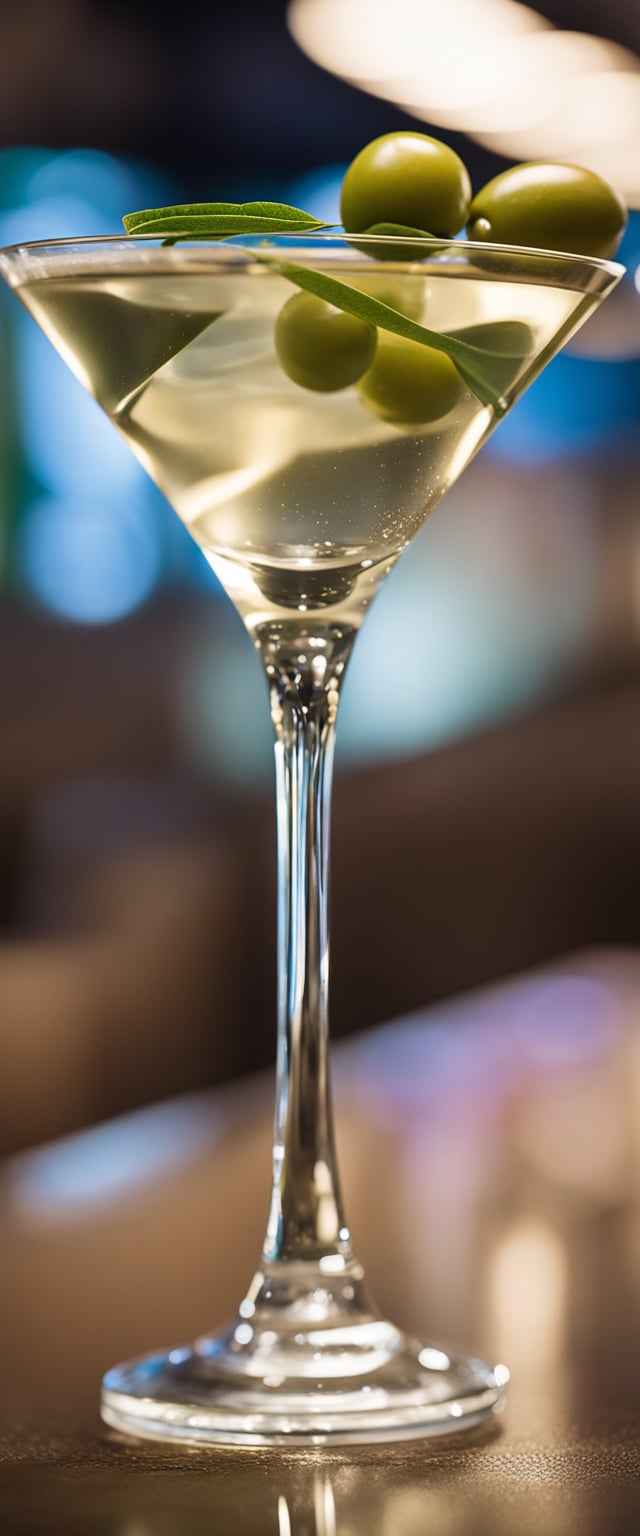
  • This is a Virgin Mojito with a refreshing minty twist.

  • You can enjoy a Sparkling Spritzer infused with fruity flavors.

FAQs: The Most Popular Questions Answered

Let’s take a look at some frequent questions regarding pairing alcohol-free spirits to food.

Q1: Can alcohol-free spirits improve a meal?

Absolutely! Alcohol-free spirits add complexity the depth of your dining experience without the negative effects of alcohol. They can elevate the flavors of your food, making it an unforgettable meal.

Q2: Are there any specific regulations for pairing alcohol-free drinks with food?

While there are general guidelines however, the best pairings generally come down to personal preferences. Try your hand at it, be confident in your taste and don’t hesitate to try out different combinations.

We are embracing the art of Food and Spirit Pairing

In the last part of our series, we’ll look into the fascinating world of alcohol-free spirits, and teach you how to make delicious concoctions that will impress visitors and add a touch of class to your event. So, if you’re ready to master the art of mixing and take your drinking game to a new level, keep reading.

Leading Quality, Direct Connection: Order Your Alcohol-Free Spirits from Swedish Distillers Today!

Discovering the benefits of alcohol-free Spirits: A Review and Conclusion

It’s the end of our journey through the world of alcohol-free spirits. Over the course of this five-part course, we’ve set out on an incredible journey, starting from discovering the fascinating history behind these interesting drinks to exploring their many flavors, and also exploring what it takes to combine them with food. Now, it’s time bring all the threads of our story together and wrap up our journey.

A Journey in Review: A Recap of the series

Part One: the fascinating story of Spirits that are Alcohol-Free

In our first article, we dug into the historical roots of spirits that are alcohol-free. We discovered that these spirits have a rich history that dates back to the past with roots in herbal remedies and the search for alternative drinks during different times in history.

Part 2. Making Unique Flavors: The art of alcohol-free distillation

In the second part of our series we delved into the art of distilling alcohol-free spirits. We looked into the secrets of the production of their distinctive flavor, from botanical infusions to intricate distillation techniques.

3. Trends and Innovations Redefining the Alcohol Free Spirit Industry

The third segment took us on a journey into the modern world of spirits that are alcohol-free. We talked about the newest trending and innovative developments that are shaping this industry from the increasing popularity of premium brands, to the explosion of cocktails that are alcohol-free culture.

Fourth Part: A Guide to Pairing: Elevating the Dining Experience

The fourth edition of our series was a culinary journey, as we examined the art mixing alcohol-free spirits food. It was a great opportunity to learn about the flavors of each, selecting complementary courses, as well as experimenting with various mixers can enrich our dining experiences.

The 5th part: The Art and Science of Alcohol-Free Spirits Part 5: A Review with a Final (You’re studying it right now!)

And here we are close to the conclusion this journey. In this segment we’ll look at the key points from our study and conclude with some parting thoughts.

The Key Takeaways

As we bid adieu to the vast exploration we conducted and exploration of the world, let’s review some of the most important insights we gleaned from our series:

The traces of alcohol-free spirits are in The Past

From ancient herbal concoctions to the most innovative distillation techniques of today alcohol-free spirits have many facets and a rich history.

It’s the Craft of Flavor Creation

Master distillers use a variety of distillation and botanicals to craft unique and distinctive flavor profiles that rival alcohol.

The Thriving Industry

The market for alcohol-free spirits is booming with a variety of premium brands and a growing popular culture of cocktails that are promoting this trend.

Culinary Alchemy

Food and drinks that are alcohol-free will elevate the dining experience, with tastes that enhance and compliment one and enhance each.

The future of alcohol-free spirit

As we conclude our journey it’s clear that alcohol-free drinks’ future is positive. With ongoing innovation, increased interest from the public, and growing acceptance of a mindful drinking lifestyle The drinks of the future are here to remain.

So whether you’re a long-time drinker or are just beginning to explore this exciting field, we hope this series has been a helpful and motivating companion on your journey. Welcome to the ever-growing world of alcohol-free spirits and their endless possibilities to our glasses.

Thank you for being part of us on this journey, and we anticipate celebrating the future with you.

Cheers to New Beginnings!

When we pour our glass for the last time during this series, let’s keep in mind that alcohol-free spirits are not solely about what’s missing, they’re about what’s gainedaEUR”a chance to indulge in exquisite flavors, experience memorable moments while embarking on a adventure of exploration.

If you’re making drinks that are delicious and alcohol-free, making a mix of spirits and a luxurious dinner, or simply enjoying every moment, dive into your world of spirit that is alcohol-free with enthusiasm and awe. Let’s welcome new beginnings and the incredible world of possibilities that await.

Many thanks for having been a part of our story, and until we meet again make sure to remember that the art of making alcohol-free drinks is a constant adventure.

In Conclusion

This is the last part of our extensive series on alcohol-free spirits. From revealing their history to mastering the art of pairing to analyzing the latest developments shaping the industry, we’ve covered it all. Now, with the proper knowledge and inspiration, you’re able to start your own journey into the world spirits without alcohol.

Whatever your age, whether you’re a long-time enthusiast or a novice to the world, the world of alcohol-free spirits is waiting to welcome you with big arms. As you continue to explore and enjoy these new beverages take note that the possibilities are endless, and the options are unlimited.

We hope this book has made you more aware and awe-struck of spirits that are alcohol-free. If you have questions or would like to share your personal experiences, we’d love to hear from you.

Thank you for joining our adventure, and here’s to an amazing future that is filled with unforgettable flavors, memorable moments, and the enjoyment of drinking mindfully.

Happy birthday to spirits that are alcohol-free, and may your adventures with flavor continue!

Theemergence of non-alcoholic Spirits

Since the beginning of time, there has been a massive change in how we think about alcohol. Traditional alcoholic drinks aren’t always the sole option for those looking to unwind or socialize. As health-conscious drinking and responsible drinking grow more prevalent and non-alcoholic options are gaining increasing popularity. From the numerous options available and available, non-alcoholic spirits have developed into a significant trend, especially when it comes to the United Kingdom.


In this piece, we’ll look into the fascinating realm of non-alcoholic drinks and their remarkable rise in popularity. We will explore the reasons behind this movement and the way it reflects the tastes of tea lovers within the UK.


The Global Trend to non-alcoholic Beverages

Before we get into the particulars of non-alcoholic spirits it’s crucial to consider the broader context. There an evident shift in preferences among consumers regarding beverages. There is a shift in people’s attitudes towards health and conscious of what they consume. This has led to a growing demand for non-alcoholic alternatives that let people take pleasure in the tastes of social interactions, as well as ceremonies associated with drinking without drinking alcohol.

One of the major drivers in this phenomenon is the desire to lead a responsible and balanced lifestyle. A large number of people have decided to reduce their alcohol intake or avoid alcohol altogether. This may be a result of concerns with health, fitness goals such as pregnancy, a desire to enjoy a night out, without the negative effects of alcohol.


The non-alcohol spirit phenomenon

Non-alcoholic spirits stand at the leading edge of the beverage revolution. These new products are created to mimic the taste, aroma and richness of traditional alcohol spirits, however without the alcohol content. They are crafted using an assortment of botanicals, spices, herbs and various other ingredients from nature to give an aroma-rich and flavorful experience which is similar to the real thing.

The growth of non-alcoholic spirits could be due to many reasons:

  1. The most sophisticated of palates: Today’s consumers have more sophisticated palates, and they are seeking distinct and unique flavors. Non-alcoholic spirits respond to those preferences by offering numerous flavors and scents.

  2. Mixology and cocktails: The movement towards craft cocktails has grown in popularity and non-alcoholic spirits are an integral element in this movement. Mixologists as well bartenders are mixing these spirits into creative mocktails and cocktails, which allow drinkers who are not drinking to enjoy in a refreshing and innovative drink.

  3. “Health and Wellness: Health and wellness become the norm for people’s lives alcohol-free spirits offer an attractive alternative. They’re generally less calorific and have none of the health risks associated with alcohol.

  4. Social Inclusion: Non-alcoholic spirits foster inclusion in social situations. They ensure that all, regardless of the type of drink they prefer are able to fully participate in celebrations and gatherings.


Non-alcoholic Spirits and Tea Lovers in the UK

Now, let’s move this trend closer home, specifically to the UK an area that is known for its love of tea. The UK has a rich tea culture, offering various teas that are consumed on a daily basis, ranging that range from classic black teas all the way to herb-infused infusions. Tea isn’t just a beverage in the UK; it’s a tradition in the UK, a means of relaxation, and an everyday way of life.

Tea drinkers from the UK have always appreciated the subtleties of flavor smell, and the quality of their brews. They are adept at tea preparation and savor the taste of the perfect cup. The emergence of non-alcoholic spirits offers a new dimension to the tea-drinking experience.


In the next section we’ll dive deeper into the tea-loving culture in the UK and discuss the various kinds of teas that are highly favored by the people who live there. We’ll also explore how the introduction of non-alcoholic liquors aligns with the preferences of Tea lovers across the country.

When we begin this investigation into tea and spirits that aren’t alcohol-based, prepare to find out how these two distinct worlds can come together to provide delightful and exciting experiences.

nonalcoholic


The U.K.’s Love Affair with Tea: A Study of its Diverse Culture

in the United Kingdom, tea isn’t simply a drink. It’s a cultural institution. Tea has been a fundamental part of British life for centuries, impacting daily routines, social gatherings and even the country’s identity. To understand the significance of non-alcoholic spirits for tea people in the UK we need to take a look at the intricate tapestry of British tea culture.


A nation of tea enthusiasts

The British are a nation with a deep and lasting love for tea. It’s estimated that a typical Briton consumes approximately 100,000 cups of tea throughout their life time. This isn’t about quantity; it’s about quality and appreciation.


Different kinds of Tea

The UK offers an impressive selection of tea varieties. From the classic and robust English Breakfast tea to the delicate and floral notes of Earl Grey, there’s a tea that will please everyone’s palate. Herbal infusions containing chamomile peppermint, and fruit teas have also found their place in British teapots.


Tea Rituals

Tea is more than just an alcoholic beverage; it’s a ritual. The classic British afternoon tea, with its delicate sandwiches or cakes, as well as scones are a long-standing tradition. It’s a time for conversation or relaxation while enjoying the aromas of a well-brewed cup of tea.


Tea’s Social Rolle

Tea has played a central aspect of British society. It has been a source of relief in times of hardship, a symbol of hospitality and also a catalyst in social occasions. The phrase “put the kettle on” signifies providing warmth and camaraderie.


The Intersection of Tea and Non-Alcoholic Spirits

As we’ve established, tea holds a special spot among the British. But how does this affinity for tea correlate with the growth of non-alcoholic spirit?


Flavor Synergy

One of the remarkable aspects with non-alcoholic drinks is their capacity to mimic the complex tastes that are present in traditional alcoholic drinks. It opens up a world of possibilities for the tea lover who can explore unique flavor combinations. Imagine a rich, smoky lapsang tea in combination with a low-alcohol whisky alternative or a zesty Earl Grey infused with a non-alcoholic gin.


Cocktail Creativity

Tea cocktails have become popular in recent years. Non-alcoholic spirits are essential ingredients in this trend. For those who love tea and experimenting with mixology and mixology, adding alcohol-free spirits is an array of options. Imagine a refreshing iced tea cocktail with botanical, non-alcoholic spirits like gin, or a fiery chai tea latte enhanced by a non-alcoholic spiced rum alternative.


Health and Wellbeing

Tea drinkers tend to be concerned with health and wellness. Non-alcoholic spirits comply with this idea since they’re made from natural ingredients and have no alcohol’s harmful effects. So, tea drinkers can indulge in tea-based recipes that are creative and delicious but without losing their commitment to an active lifestyle.


Tea and Non-Alcoholic Spirits: Harmonious Blend

In the end, the UK’s strong love of tea as well as the rise of non-alcoholic spirits aren’t distinct, however, they’re an amalgamation of both traditional and innovative. Non-alcoholic spirits can give tea enthusiasts the chance to enhance their tea experience, play using flavors, and experience an art form called mixologyaEUR”all while maintaining their love for the most beloved beverage.

In the next chapter this article, we’ll go over some innovative cocktails that combine non-alcoholic spirits with tea and provide tea drinkers with an idea for their own tea-based creations. So, get ready to embark upon a the most delicious trip where tradition is paired with modernity.

mocktails


The Elevate Your Tea Games: Exciting Non-Alcoholic Spirit and Tea Matchings

For those living in the United Kingdom, where tea is the king of tea, tea lovers are always looking for novel and interesting ways to enjoy their favorite tea. In comes non-alcoholic spiritsaEUR”a trend that’s been gaining traction within the world of drinks. In this article we’ll go over some captivating pairings of non-alcoholic spirits and tea that are intended to elevate your tea-drinking experience to the next level.


1. Earl Grey Elegance Earl Grey Elegance


pairing: Earl Grey Tea & Non-Alcoholic Gin

What it does: Earl Grey’s distinctive blend of black tea that’s infused with bergamot orange makes an aromatic and mildly citrusy base. When it is combined with the botanical nature of non-alcoholic Gin, you’ll have a refreshing and delicious tea cocktail that’s ideal for a stylish afternoon tea.


Recipe: Earl Grey Gin Fizz

  • Take a sip of strong Earl Grey tea and let it cool.
  • In a shaker combine the Earl Grey tea, 1.5 Oz of non-alcoholic vodka, 0.5 2 oz fresh lemon juice and 0.5 OZ of basic syrup.
  • Shake well before straining into a chilled glass topped with frozen ice.
  • Then top with sparkling water. garnish with a lemon twist.


2. The Spicy Chai Experience


Pairing: Chai Tea & Spirited Rum that is not Alcoholic

What it does: Chai tea is renowned for its warm and hot flavors, usually containing ingredients like cinnamon, cardamom, and cloves. If you pair it with non-alcoholic spiced rum option that gives you a delicious fusion of comforting spices that’s ideal for chilly winter nights.


Food: Spiced Chai Rum Punch

  • Take a sip of strong chai tea.
  • Pour the mixture into a glass, combine the hot chai tea 1.5 Oz of a non-alcoholic spiced Rum alternative, 2 oz of apple cider and then a dash or maple syrup.
  • Stir well and refrigerate until the mixture is cool.
  • Serve it over ice and garnish using a cinnamon stick.


3. The Herbal Infusion


Pairing: Peppermint Tea & Non-Alcoholic Herbal Liqueur

Why It’s Work: Peppermint tea’s natural freshness and energizing qualities make it the perfect partner for herbal liqueurs that are not alcohol-based. This pairing results in the most refreshing herbal concoction which is ideal for relaxing.


Recipe: Herbal Mint Delight

  • Drink a cup of peppermint tea. Allow it to cool.
  • Pour into a glass combine the peppermint tea, 1 ounce of herbal liqueur that is non-alcoholic, and a splash of elderflower-infused tonic.
  • Make sure to add ice, and garnish with fresh mint leaves.


4. The Sweet Citrus Refresher


Combination: Citrus Green Tea & Non-Alcoholic Citrus Vodka

Why It Works: Citrus green tea is known for its zesty and rejuvenating character. When it’s paired with nonalcoholic citrus vodka, you get an intense and sweet drink which is perfect for a summer garden event.


Recipe: Citrus Green Tea Sparkler

  • Pour a cup of citrus green tea, then let it cool.
  • In a flute glass, mix the citrus green tea, 1.5 oz of non-alcoholic citrus vodka and a squeeze the fresh juice of a lime.
  • Serve with sparkling water that is chilled and garnish with a lime wheel.


5. It’s the Smoky Lapsang Sipper


The pairing is Lapsang Souchong tea and Non-Alcoholic Whisky Assist

Why It Works: Lapsang souchong tea is known for its intense smoky flavor, reminiscent of woodsy and campfire-like notes. When paired with a non-alcoholic whisky alternative, this makes a distinctive and intense tasting tea.


Rezepte: Smoky Whisky Highball

  • Take a cup and brew some lapsang souchong tea, then let it cool.
  • Within a tall glass, mix the lapsang souchong tea, 1.5 tablespoons of non-alcoholic whisky substitute, and then some bitters.
  • Pour in ice, and then top with ginger beer.
  • Sprinkle with the lemon twist.

These intriguing tea and non-alcoholic spirit pairings are not just catering to the various preferences of tea drinkers but also open up a world of opportunities for creative thinking. No matter if you’re enjoying tea on an evening of peace or hosting tea parties with these pairings, they will attract your guests’ attention and increase your tea game.

In the following section We’ll take a look at the health advantages of these spirits that are not alcoholic and tea blends, offering you more reasons to drink these delightful concoctions.

Unmatched Quality, Direct Orders: Elevate Your Business with Swedish Distillers’ Non-Alcoholic Spirits!


A Health Benefits of Tea and Non-Alcoholic Spirit Combinations

We’ve covered in the previous sections, combining herbal tea with alcohol free spirits could create some really thrilling and delicious concoctions. However, the benefits go beyond just the flavor buds. In this section we’ll go over the health advantages of these combinations and how they positively improve your health.


1. A Low-Calorie Option


Tea and non-alcoholic spirits offer a lower calorie intake, making these drinks an ideal choice for those who want to reduce their calorie intake. Although alcohol-based drinks can be loaded with calories due the alcohol content and sugary mixers, tea-based mocktails are refreshing and refreshing.


Key Benefits:

  • Enjoy your favorite flavors without worrying about extra calories.
  • Ideal for those who are weight conscious.


2. Antioxidant-Rich Elixirs


Non-alcoholic spirits and tea contain antioxidants that can help fight oxidative stress within the body. Tea, specifically, is packed with polyphenols, which have been associated with various health benefits. One of them is decreased risk of chronic disease.


Key Benefits:

  • Guard your cells against the damage that is caused by free radicals.
  • Aid in overall well-being and health.


3. Hydration and Vitality


Tea is a hydrating beverage that can aid in your daily fluid intake. When combined with non-alcoholic spirits this beverage can be a delicious way to drink more water, particularly if your not a user of plain water.


Key Benefits:

  • Maintain a healthy level of hydration.
  • Enhance your energy levels while maintaining boost your alertness.


4. Digestive Comfort


Certain herbal teas, such ginger and peppermint, are renowned for their benefits to digestion. When used in conjunction with non-alcoholic spirits these teas will help calm an upset stomach and aid in digestion.


Key Benefits:

  • Alleviate digestive discomfort.
  • Promote better digestion after meals.


5. Reduced Risks for Alcohol-Related Health


Selecting non-alcoholic drinks over their counterparts containing alcohol can significantly lower the risks associated with drinking alcohol. You are still able to enjoy the social aspect of cocktails without worrying about the negative health impacts.


Key Benefits:

  • Lower your risk for alcohol-related health issues.
  • Make smart and health-conscious choices.


6. Relaxation and Mental Releasing


Tea, specifically herbal varieties such as lavender and chamomile, is renowned for its calming and stress-relieving properties. If paired with non-alcoholic liquors, these pairings can provide an opportunity for mental relaxation.


Key Benefits:

  • Ease stress and anxiety.
  • Promote mental well-being.


7. Versatile Flavor Profiles


The range of teas and spirits that are non-alcoholic means you can choose your drink according to your needs. It doesn’t matter if you’re looking for an energy-boosting drink in the morning or a soothing drink for a relaxing evening There’s a mix for you.


Key Benefits:

  • You can customize your drink to suit the taste of yours and your wellness needs.
  • Explore new flavors and combinations.

For the second section In the next section, we’ll offer a few frequently asked questions (FAQs) about spirits and tea that are non-alcoholic, addressing common queries and questions. We’ll also provide expert solutions to aid you in making the most of these delightful pairings. Stay tuned to discover more!


Unlocking the Perfect Pairings Tea and Non-Alcoholic Spirits

We’re pleased to present the conclusion of our journey into the delightful world of tea and non-alcoholic spirits pairings. We’ve been on an exciting adventure, exploring unique recipe ideas, the health advantages, and the art of making gorgeous mocktails. In this final post we’ll weave it all together, highlighting the key conclusions from our research.


The Recap: A Overview of the Journey

Before we go into the conclusion and summary, allow us to take a glance back at the fascinating topics we’ve discussed in this series of articles:


1. Explore the World of Tea and Mocktails

In our first article it introduced us to the concept of combining tea with spirits that aren’t alcohol-based, setting the stage for an exciting exploration of flavors and options. We covered the fundamentals of creating delicious tea-based mocktails, and laid the groundwork for your adventure in mixology.


2. Making Mocktails: a Journey of Flavor

The second piece was all about the art and craft of making mocktails. The article delved into the creative process and gave recipes for a variety of tantalizing tea and non-alcoholic spirits. From fresh fusions to herbal blends we taught you how do it right.


3. Dietary Benefits of Tea and Non-Alcoholic Spirit Pairings

In the second article we made a side trip to discover the advantages of these healthy pairings. From low-calorie alternatives to antioxidant-rich elixirs, we unveiled how tea and non-alcoholic spirits can improve your health and wellbeing, providing nutrition and refreshment.


4. Lift Your Senses: The Ideal Pairings

Our fourth piece was a savor, with a look at some of our most beautiful pairings that you can create. We chose specific teas to pair along with non-alcoholic spirits of the same type to reveal a variety of aromas and tastes. Learned how to elevate your senses, and enjoy each sip.


5. The Harmony of Flavors, Health Benefits, and Harmony

In this final article we’ve drew on the information and ideas from the previous four installments. The pairings we’ve discussed provide low calorie, antioxidant rich, replenishing and digestive benefits. The result is that you’ve discovered the bliss of making healthy and responsible choices and found moments of mental calm.


A Sips of Conclusion

When we conclude this series, it’s evident that the combination of alcohol-free spirits and tea isn’t just a trend; it’s an adventure in wellness and food that is waiting to be explored. Whatever your preference, whether you’re a tea fan, a mocktail enthusiast, or simply looking to make better choices with drinks The pairings below have something to provide.

In a world in which flavor and health coexist alcohol-free spirits and tea can bring harmony to your taste as well as your overall wellbeing. They provide a versatile opportunity for you to express your creativity and provide a path towards having a healthier and more enjoyable life.

As you embark on your own quest for beverages that don’t contain alcohol take the time to savor all the flavours, appreciate the health benefits and, most importantly, enjoy yourself. Be creative, try new things and share your findings with other people. There are no limits to what you can do, and your senses are your guides.


A toast at New Beginnings

As us raise the glass to salute to the end that this story has come to, we also set them on a new path. Your journey through the world of tea and non-alcoholic drinks is just beginning, and there are many flavors, recipes and experiences to be had.

For those who are planning a cozy night in or at a social gathering or even a moment of personal indulgence, these pairings will be your companions on the path towards unforgettable and memorable times. Therefore, get out and explore. Create, sip, and savor. And, most importantly, enjoy the moment with people that are in your life.

We thank you for taking us on this exciting journey throughout the universe of non-alcoholic tea and spirits pairings. We’re looking forward to hearing about your own creations and experiences. For now Happy sipping and a toast towards a happy, healthy and enjoyable life. delicious healthy, mindful, and nutritious drinks.


the Series’ Recap the Series

Let’s go over the main points from our five-part series about tea and non-alcoholic spirits pairings:

  1. Exploring the World of Tea and Mocktails:

    • Introduced the concept of blending tea and non-alcoholic spirits.
    • Lay the foundations for exploring different flavors and mixology.
  2. Crafting Mocktails: A Taste Journey:

    • Explored the art of crafting mocktails.
    • Recipes shared for various mocktails made with tea.
  3. Your Health-related Benefits of Tea and Non-Alcoholic Spirit Combinations:

    • Discussed the health benefits of these pairings, including low calories and antioxidants.
    • Promoted responsible and healthy lifestyles.
  4. Increase Your Senses The Perfect Combinations:

    • Researched specific teas as well as non-alcoholic spirit pairings.
    • It highlighted the variety of flavors and aromas you are able to create.

Dog Training Collar For Scent Work

Scent Work utilizes your dog’s natural ability to sniff out scents. It is an engaging low-impact sport suitable for dogs of all ages and energies; perfect for high energy or timid pups alike. Scent work also gives them something fun and productive to do that extends beyond walks and playtime!

Dogs use their nose as their primary sense, with over 220 million olfactory receptors compared to 5 million for humans. Olfaction can be an invaluable aid to helping dogs learn and excel in various activities – scent work can provide another challenge for both dog and handler teams!

Scent Work helps dogs of all breeds and ages build self-esteem and confidence, with each successful find providing positive reinforcement to increase self-esteem and build self-confidence. It is particularly effective at building the self-esteem and confidence of shy or nervous dogs or those recovering from surgery or injuries; as well as keeping older dogs mentally stimulated with something meaningful to do.

Scent work can be accomplished using either a harness or collar; however, most dogs who compete in advanced competitions use their normal straight collar as this reduces extra clutter, is easier to get started and provides consistent training methods. Some teams even use two matching collars so the dog knows when they are transitioning between activities without confusion or confusion occurring during transition periods.

Experimenting with the world of alcohol-free Spirits

In a time when health-conscious lifestyles and conscious living have taken centre stage The world of drinks is experiencing a dramatic change. Perhaps one of the more intriguing and exciting developments in the beverage industry is the increasing popularity of alcohol-free spirits. These intriguing elixirs provide all the taste, complexity and elegance of traditional spirits but with no alcohol content, making an ideal choice to those who want a more prudent and responsible way of drink their favourite cocktails.


What Are Alcohol-Free Spirits?

Alcohol-free spirits, commonly described as non-alcoholic, or zero-proof spirits, are a group of beverages designed to replicate the taste and experience of traditional alcohol-based spirits like vodka, gin, rum and whiskey, with none of the euphoric effects. They are created with a careful selection of natural ingredients such as spices, herbs and even fruits, exactly like their alcohol-based counterparts. However, they come with the distinct advantage of the absence of alcohol or a minimal amount.

These spirits have gained immense popularity due to their ability in preparing a wide array of alcohol-free drinks, commonly called mocktails. They can also be enjoyed straight or in a cocktail, or blended with a variety of mixers that are not alcohol-based to make sophisticated and refreshing beverages.


Why Should You Choose Alcohol-Free Spirits?

health benefits: one of the most important reasons why people are turning to alcohol-free spirits is their health benefits, which are numerous and provide. The spirits they use contain little to no calories, and they do not cause weight gain. In addition, they minimize the risk of excessive alcohol consumption, such as liver damage, addiction and impaired cognitive functioning.

Social and Environmental Issues: The shift towards alcohol-free spirits isn’t only about personal well-being but also has broader implications for societal and environmental concerns. In choosing to drink alcohol-free it helps people reduce their carbon footprint, and also support an ethical and sustainable production practices.

Trend towards Mindful Drinking: In an era of mindfulness and conscious living the alcohol-free spirit is a perfect match for the growing trend towards mindful drinking. Many people are looking for harmony and moderation in the course of their lives. Spirits give them the opportunity to indulge in the art of mixology and cocktail culture with no negatives of alcohol.


The Exuberance Of EU and UK Markets

In a time when the consumption of alcohol-free spirit continues to rise across the world, both the European Union (EU) and the United Kingdom (UK) have been identified as hot hubs for the growing industry. The markets of these regions have seen a rise in innovation, with an array of new and well-known brands competing for the attention of sophisticated consumers.

The EU and UK markets for alcohol-free spirits have been distinguished by their diverse and lively nature. From classic juniper based alcohol-free gins to botanically-infused non-alcoholic vodkas spiced alcohol-free Rums, there’s something to suit everyone. The wide array of flavors and choices at these spots is a testimony to the growing demand of spirits without alcohol.

In the coming section, we’ll dive deeper into this world of spirit that is alcohol-free. We’ll explore the top brands and types that have caught the eye of the public. You are about to embark on an adventure that is bursting with flavor and will alter your perceptions of alcohol-free beverages.

Non-alcoholic

Exploring Alcohol-Free Gin: A New World of Flavor Without the Alcohol

Once we’ve set our stage with an introduction to the world of alcohol-free spirits, we can investigate one of the most beloved and recognizable categories the alcohol-free spirit gin. Gin is well-known for its botanical complexity and versatility in cocktails, has been recreated for the alcohol-free world. It’s got a myriad of flavours and possibilities which will delight your senses and eliminate the requirement of an authorized driver. Let’s have a look at the wonderful world of alcohol-free gin.


Unveiling the Secrets of Gin without alcohol

Alcohol-free Gin What is it? Alcohol-free gin, often known as non-alcoholic gin Zero-proof Gin, also known as botanical-infused spirit, is a unique creation that perfectly captures the spirit of gin with no alcohol content. It is made with a blend of botanicals, herbs, spices, along with other natural components, these spirits replicate the familiar style of juniper-forward gin that enthusiasts appreciate.

The Botanical Symphony: The flavor of gin’s magic lies in its botanical mix and alcohol-free gin is certainly not an exception. Although traditional gin is typically made up of coriander, juniper, citrus peels and various herbs and spices Non-alcoholic versions carefully choose ingredients and blend them to create harmony in the flavor.

Zero Alcohol Zero Calories One of the primary benefits in gin alcohol-free is its calorie-free nature. This makes it a tempting alternative for those who are concerned about the calories they consume and health conscious consumers who want the distinct taste of gin and not suffer any of the negatives associated with alcohol.


EU and UK Description: Gin Lover’s Paradise

When it comes to Gin that is alcohol-free, the EU and UK markets offer an unending source of options and innovative products. Gin is one of the most well-known brands, and has a long traditions in these regions has seamlessly adapted to the world of spirits that are alcohol-free.

leading brands: Different pioneering names which are located in the EU and UK have made significant strides in the production of premium alcohol-free spirits. These brands draw inspiration from the rich gin culture of these regions, while also increasing the flavors.

Botanical Variety: This is because the EU and UK markets offer an extensive selection of alcohol-free, non-alcoholic gins each with its own unique botanical blend. From traditional London Dry style alcohol-free infusions to more modern versions with exotic botanicals, the choices are endless.

Craftsmanship and Quality: Quality and craftmanship remain vital in the production process of alcohol-free gin in these regions. A lot of distilleries use traditional distillation techniques, and they source top botanicals to provide high-end drinking experiences.

In the following section, we’ll discuss some of the leading alcohol-free spirit brands in the EU and UK so that you can enjoy a flavorful trip that transcends borders. Make sure to try the delightful juniper-infused delights to be found in your taste buds.

For Discerning Wholesalers: Swedish Distillers Offers Exquisite Alcohol-Free Spirits in Bulk!

The Best Alcohol-Free Gin Brands in the EU and UK

While we travel through the enthralling world of Gin that is alcohol free, it’s time to showcase some of the top brands that have made a mark in EU as well as UK markets. These brands have created the art of crafting alcohol-free gin to a new level, offering a variety of flavours that are suited to all tastes. Come along as we review the top alcohol-free gin brands in the EU as well as the UK.

1. Seedlip

The Luminary of Botanical Excellence Seedlip, often credited by many as a pioneer of the field of alcohol-free spirits has a wide selection of alcohol-free spirits that exemplify the highest standards of botanical excellence. Their botanical blends, such as Seedlip Garden 108 and Seedlip Spice 94 are gaining admiration for their complex flavors.

Signature serve: Get a Seedlip Garden 108 with tonic water, and garnish with a sprig of fresh peas, for a refreshing and fragrant tasting experience.

2. Ceder’s

Inspired by Nature: Ceder’s is an iconic brand that takes inspiration from the untamed natural beauty of South Africa’s Cederberg Mountains. The gin’s that are alcohol-free, such ones like Ceder’s Crisp and Ceder’s Wild include exquisite South African and Swedish botanicals with a unique flavor.

Signature Serve: Experience Ceder’s Wild with a splash of tonic water, a slice of lemon and a small sprig of rosemary for a delicious taste of wilderness.

3. Borrago

Vibrant Flavors: Borrago is well-known for its vivid and captivating alcohol-free gin alternatives. Borrago #47’s Paloma blend and”47″ from Borrago Jasmine & Lime offer a taste that is suitable for cocktails that require a sophisticated design.

Signature Serving: Invent a Borrago Paloma #47 Blend mixer by mixing with pink grapefruit juice, lime, and a hint of an agave syrup.

4. Ritual Zero Proof

Classic Reimagined: Ritual Zero Proof is a blend of traditional gin flavors and reinvents them in an alcohol-free style. Their alcohol-free gin substitute brings the juniper-forward flavor to the top of the list, making it perfect for gin drinkers.

Signature Service: Invent a traditional drink that doesn’t contain alcohol using Ritual Zero proof, tonicwater, and a lime wedge.

5. Everleaf

Advanced Botanicals: Everleaf, while not exclusively an alcohol-free gin brand, offers a unique aperitif that has complex botanical tastes. The intricate blend of botanicals which include vanilla and saffron is a fantastic alternative for those seeking depth of taste.

Signature Drink: Savor Everleaf in combination with chilled ice, a splash of tonic water and a smooch of orange peel for an elegant aperitif.

6. Stryyk

Triple Distilled: Stryyk is famous for its triple-distilled alcohol-free spirits, which include Not Gin. The brand craft alcohol-free spirits using traditional botanicals like juniper coriander for an authentic gin-like experience.

Signature Serve: Mix Stryyk Not Gin with elderflower tonic and some cucumber slices for an icy and refreshing drink.

These exceptional alcohol-free gin brands from the EU and UK have redefined the experience of drinking, offering modern and delicious options for people who want to experience the flavor of gin without the alcohol. In the coming section we’ll examine some fascinating cocktails that highlight the many uses of alcohol-free gin. Make sure you are ready to improve your mixology skills with these exquisite concoctions.

zero

Making the Perfect Alcohol-Free Gin Cocktails

In our quest to discover the fascinating world of gin that is alcohol-free, we’ve discovered remarkable brands and explored the extensive background of Gin. Now is the time to make some new and innovative cocktails to explore the art of mixology by creating delicious alcohol-free gin cocktails. It doesn’t matter if you’re a veteran bartender or novice, these cocktails will elevate any drinking session. Let’s get a little agitated!

A. The Classic Alcohol-Free Gin and Tonic


Ingredients:

  • 50ml of your alcohol-free favorite spirit
  • The premium water is 150ml.
  • Ice cubes
  • A slice of lime or lemon for garnish


Instructions:

  1. Fill a highball glass with the ice cubes.
  2. Pour 50mls of alcohol-free, gin over the ice.
  3. Finish off with 150ml high-end tonic water.
  4. Mix well to mix.
  5. Garnish with a slice of lemon or lime.
  6. Sip your favorite gin that is alcohol-free and tonic!

Alcohol-Free Gin Fizz


Ingredients:

  • 60ml alcohol-free, gin
  • 30-ml fresh squeezed, freshly squeezed lemon juice
  • Pure syrup (15ml) (equal parts water and sugar)
  • Soda water
  • Ice cubes
  • Lemon twist for garnish


Instructions:

  1. Fill a cocktail shaker with cubes of ice.
  2. Add 60ml gin that is alcohol-free, 30ml of fresh squeezed lemon juice, as well as 15ml simple syrup into the shaker.
  3. Shake vigorously until thoroughly chilled.
  4. Strain the mixture into a glass of chilled water filled with frozen ice.
  5. You can top it off with soda water.
  6. Garnish with a lemon twist.
  7. Drink and enjoy the refreshing alcohol-free Gin Fizz!

Berry Bliss Alcohol-Free Gin Smash


Ingredients:

  • 50ml alcohol-free spirit gin
  • A handful of mix berries that are fresh and in season (strawberries blueberries, strawberries, raspberries)
  • 10ml honey or 10ml agave syrup
  • 20ml of freshly squeezed lime juice
  • Ice cubes
  • Fresh mint leaves for garnish


Instructions:

  1. In a cocktail shaker blend the mixed berries with sweetened honey, or syrup made from agave.
  2. Add 50ml of alcohol-free gin and 20ml of freshly squeezed lime juice in the shaker.
  3. Fill the shakers with ice cubes. shake vigorously.
  4. Pour the mixture into rock glasses topped with some ice.
  5. Fresh mint leaves.
  6. Sip and revel in the wonderful Berry Bliss Alcohol-Free Gin Smash!

Cucumber Cooler with Alcohol-Free Gin


Ingredients:

  • 50ml alcohol-free, alcohol-free gin
  • A few slices of cucumber
  • Just 20ml of freshly squeezed Lemon Juice
  • 10ml simple syrup
  • Soda water
  • Ice cubes
  • Slices of cucumber for garnish


Instructions:

  1. In a cocktail shaker, combine the cucumber slices using lemon juice and simple syrup.
  2. Add 50ml of alcohol-free vodka to the shaker.
  3. The shaker should be filled with ice cubes and shake well.
  4. Strain the drink into a highball glass, filled with ice.
  5. Drink soda water to refresh.
  6. Garnish with thin cucumber slices.
  7. Enjoy the refreshing and crisp Cucumber Cooler!

This is the Next Frontier in Alcohol-Free Gin Cocktails

These alcohol-free gin cocktails are only the beginning of your mixology adventure. With a range of alcohol-free gin brands as well as many botanicals at your fingertips, there’s an endless amount to the creative ideas you can blend into your drinks.

In the next section We’ll go over some unique ways to incorporate the alcohol-free spirit into food items which makes it a versatile ingredient to use in your kitchen. Get ready to delight the taste buds of everyone with these delicious creations!

Unleashing the Potential of Alcohol-Free Spirits A Recap of Our Journey

When we’ve finished our exciting voyage through the world of alcohol-free spirits, it’s time take a moment to reflect on all the information as well as inspiration we’ve collected in the process. In the final piece of our series it’s our turn to share the insightful information we’ve learned in each of the five articles, and we’ll depart with a sense of confidence for exploring this exciting world further.


Article 1: The Rise of Alcohol-Free Spirits

In our first article we embarked on our journey by examining the rapid growth of spirits without alcohol. We identified the main forces driving this trend, from healthy consumers to innovative distillers. Some key lessons from this article include:

  • There is a growing demand for non-alcoholic options.
  • The role of consumer awareness and health awareness.
  • Important is the distillers’ dedication to crafting authentic alcohol-free spirits.


Article 2: The World of Gin that is Alcohol-Free

In our second article, we delved into the world of gin that is alcohol-free, it is a segment that has witnessed incredible growth and ingenuity. We discovered the intricate blend of botanicals, the background of gin, as well as the variety of brands that are making their mark. The most important lessons from this article include:

  • The botanical-rich nature of alcohol-free Gin.
  • The significance of the past and the evolution of Gin’s historical significance and development.
  • A spotlight on the pioneering spirits that are alcohol-free.


Article 3: Creating the perfect alcohol-free Gin Cocktail

In our final installment, we explored the art of mixology, and learnt how to create delicious alcohol-free cocktail recipes. From traditional Gin and Tonic to more creative cocktails, we explored the wide world of flavors. Important highlights include:

  • Recipes for classic and innovative drinks that do not contain alcohol.
  • Methods of mixing and garnishing.
  • The joy of tasting these delightful creations.


Article 4 Gin that is Alcohol-Free for Culinary Delights

The fourth piece embarked us on an epic culinary tour, showcasing the many uses of gin that is alcohol-free to use as a ingredient in a variety recipes and desserts. The exciting mixture of flavors and inventive use of this beverage in the kitchen. Highlights include:

  • Culinary applications of alcohol-free gin.
  • The beauty of pairing the flavors of botanicals and food.
  • Recipes that can tantalize your taste of the taste.


Article 5: Unlocking Potential for Alcohol Free Spirits

In this final post, we’ve traversed the vastness of alcohol-free spirits and gathered data that allows us to explore the world of alcohol-free spirits further. We’ve explored the possibilities and got inspired by the world of mixology and culinary techniques. Our journey has been filled with delight and discovery, and it’s just the beginning.


Final: Cheers to the Future

We celebration of the future for alcohol-free spirits, we should acknowledge the extraordinary journey we’ve embarked on. There’s been an explosion of non-alcoholic alternatives along with the intricate world of alcohol-free gin, art of mixology, and the culinary talent have been a blessing to our lives.

The potential of alcohol-free spirits is boundless and with each sip, each creation, and every new discovery we look forward to a world where thoughtful and delicious drinking can be enjoyed by everyone.

We appreciate you joining us on this remarkable journey. We hope that you continue to look, explore to discover, and enjoy the world of spirits without alcohol. A healthier, more mindful, and infinitely delicious future!

Dog Training Collar For Senior Dogs

Training collars for dogs can be useful tools in teaching old dogs new tricks and maintaining obedience among senior pets as they age. With anti-bark collars, obedience collars and GPS tracking systems all available today, there’s sure to be an anti-bark and obedience device perfect for you pet that will ensure its wellbeing both at home and when traveling.

If your dog has behavioral issues, consult with a veterinarian or certified trainer for professional guidance. They will offer insight into his temperament as well as effective training approaches that don’t increase stress or anxiety levels during training.

Your choice of training collar depends on the goals and needs of both yourself and your dog, including temperament and touch stimulation comfort levels. An e-collar may be an effective solution if your pet displays aggressive leash pulling or runs away frequently from its leash; using one could help correct these behaviors and stop future repeat performance.

Martingale collars or martingale-style collars can be an ideal way to train and prevent leash pulling for older indoor dogs, providing gentle pressure when they pull. Plus, using an easily adjustable leash attachment you can control how much pressure is applied with one click!

Choke collars can help your older dog remain on your property by restricting where the collar rests on his or her neck, while prong collars are great options for managing leash pulling in mild to moderate cases or training them off-leash for hunting and hiking excursions.

Alcohol-Free Spirits as compared to. Traditional spirits in the UK This is a must-read showdown for Health-Conscious Drinkers!

In recent times the world of alcohol has witnessed a remarkable transformation. As more people put a premium on wellbeing and well-being, the demand for alcohol-free alternatives has skyrocketed. Here in the United Kingdom, this trend has taken on the form an intense competition between alcohol-free spirits and traditional drinks.


Understanding Shift

Alcohol-free spirits (often described as “non-alcoholic” or “alcohol-free” alternatives have been gaining popularity among those who want the most healthy and mindful drinking experience. These beverages are designed to bring out the essence and taste of traditional spirits but without the alcohol content.

But what’s driving this move in the direction of traditional spirits? There are a variety of reasons. The more health-conscious populace is becoming aware of the detrimental effects of the excessive consumption of alcohol on their well-being. This has resulted in an increase in demand for alternatives that provide an enjoyable experience of drinking a classic cocktail, without the drawbacks of alcohol.

The Spirit that is Alcohol-Free Phenomenon


Defines Alcohol-Free Spirits

Alcohol-free spirits are created using skillful mixing of botanicals, spices and herbs in order to create a complex and tasty drinks. They are carefully distilled to obtain the essence from these ingredients, offering a luxurious taste that is comparable to traditional spirits.


All the components and Process

The making of alcohol-free spirits is an art process. Producers meticulously select botanicals herbs, and spices, usually sourced from all over globe, to produce distinctive and appealing flavor profile. These ingredients are then blended with water, and then distilled, making a concentrated liquor that conveys the essence of the selected ingredients.


The rise in Popularity

In the UK the UK, alcohol-free spirits have seen an explosion in popularity, thanks to a flurry of innovation within the beverage industry. Leading brands have launched numerous alcohol-free alternatives that cater to diverse tastes and preferences. This variety has made it easier for consumers to make the switch into traditional spirits their alcohol-free alternatives.

What is the reason people are opting for spirits that are alcohol-free? It’s not just about health. These drinks offer a diverse platform for mixologists to create beautiful alcohol-free cocktails. They’ve become a symbol of luxury and variety catering to those who want to enjoy drinks without alcohol content.

In the following section in the next section, we’ll look into the world of traditional spirits. We’ll look at their rich past and cultural significance within the UK. We’ll also explore the major distinctions between traditional and alcohol-free spirits to help you decide on the best choice for drinking your drink of choice.


Join us while we take your on a captivating journey through the realms of traditional spirits and other alcohol-free options.

alcohol

Traditional Spirits: An Insight into Britain’s Liquid History

In the charming pubs, comfortable bars, and stylish cocktail lounges in the United Kingdom, traditional spirits remain a significant as a part of the nation’s history and history. Whether sipped straight or mixed into traditional cocktails, these timeless libations have a storied history that stretches back centuries.

Aspects of the Legacy of Traditional Spirits


A Whiskey Tale

Another of the famous and revered traditional spirits is whiskey. It’s also referred to as “whisky” and “whisky” in the UK. Scotch whisky, particularly has gained international recognition due to its delicious flavors and time-tested craftsmanship. The earliest traces of Scotch whisky go from the early 15th century, making it among the oldest spirits distilled in the world.


Gin: From the Medical field to Mixology

Gin, another beloved traditional spirit, has an interesting background in the UK. It was originally developed to treat ailments The spirit gained a lot of attention during the 18th century when it became the main ingredient in the well-known cocktail, Gin and Tonic. In the last few years, juniper-infused spirits have become a cornerstone of mixology, offering a diverse varieties of botanical flavours to explore.

“The Art of Distillation


The Distillation Process

Traditional spirits such as whiskey, gin, vodka and rum are produced through a meticulous process known as distillation. This process involves heating a fermented liquor to make an vapor before cooling it down to condense the water into a liquid form. The outcome is a concentrated and alcoholic spirit that preserves the distinctive flavours of the ingredients that were used in the fermentation.


The Role of Aging

The process of ageing is one of the key aspects of traditional distillation, particularly with respect to whiskey. The whiskey is usually matured in wooden barrels, often oak, for several years. Over the course of this time, it undergoes chemical adjustments that give it distinct aromas, flavors and a smooth taste.

Tradition and innovation meet

While traditional spirits still hold an enviable place in hearts of a large portion of UK residents, the beverage landscape is changing. The rise of alcohol-free spirits have brought another dimension into the world of beverages that is challenging the conventional notions of what a spirit can be.

In the next part we’ll go over the major differences between alcohol-free spirits and traditional ones. We’ll go over the distinct flavor profiles, versatility, and health aspects that distinguish them from traditional spirits. Be it a lifelong lover of traditional spirits or you’re a newbie, knowing the distinctions will help you make informed choices about what to sip on your next adventure.


Join us as our journey takes us to the fascinating crossroads of tradition and modernity in the field of spirits. In Section 3, we’ll look into the fascinating the world of alcohol-free spirit in the UK.

Wholesale Simplified: Order Directly from Swedish Distillers for Non-Alcoholic Spirits!

Participating in an Alcohol-Free Revolution: Spirits for an upcoming Generation

In the evening, as sun set over the UK’s bustling cities and tranquil countryside, a slow revolution is happening on the horizon of spirits. Traditional spirits such as whisky and gin have always been the darlings of people in the British drink scene another contender has risen, ready to redefine the landscape using alcohol-free spirits.

A Sobering Shift in Perspective


the Sobriety Movement

In recent years, the sobriety movement has gained momentum in the UK and around the world. A growing number of people are searching for alternative options to drinking that allow them to enjoy the conviviality of social gatherings, without the side effects of drinking. This shift in cultural norms has paved and opened the door to rise for alcohol-free liquors.


Un Question of Health

Health-conscious consumers are making a push for alcohol-free alternatives. The majority of them are worried about the harmful physical effects of drinking excessive consumption, which includes liver damage and increased likelihood of contracting certain illnesses. Alcohol-free spirits can be a good way to enjoy the tastes and rituals associated with drinking alcohol without any health risk.

Uncovering the World of Alcohol-Free Spirits


Flavorful Alternatives

Alcohol-free spirits that are commonly called “spirits alternative”, or “non-alcoholic spirits,” are designed to mimic the complex flavors of traditional spirits. There’s no need to worry about the smoky notes of whiskey or the distinctive botanical flavor of gin or the sweetness of liquor, there’s an alternative to satisfy your taste.


Blends with Botanical Ingredients

Many alcohol-free spirits are produced through the mixing of a variety of herb, spices and even fruits. These carefully selected ingredients are macerated or distillated in order to extract their aromas that result in a liquid that captures the essence of traditional spirits.


Zero Proof, Complete Experience

One of the most compelling advantages of alcohol-free spirits are their capacity to provide complete sensory experience that is free of the side effects of alcohol. You can savor the aroma of the taste and some of the subtle burn that comes with a well-crafted alcohol-free spirit, all while remaining sober.

Mixing and matching: The Versatility of Spirits that are alcohol-free Spirits


Cocktail Creativity

One of my favorite aspects that alcohol-free spirits have is their flexibility in mixology. Like their alcohol-based counterparts they can be used to craft diverse cocktails. From mojitos that are alcohol-free to virgin G&Ts, the possibilities are limitless.


Pairing Possibilities

Alcohol-free spirits pair well with a variety mixers, allowing you to create exquisite and refreshing drinks. Whatever you like, be it the taste of soda, water tonic, or fruit juices with freshness, there’s an alcohol-free spirit cocktail that is sure to please your taste and taste buds.

What’s the Future of Drinking

As we raise our glasses to the exciting the world of alcohol-free spirit, it’s apparent that they’re more than only a trend that’s passing, but an important shift in the way we think about drinking. It doesn’t matter if you’re trying to stay sober, trying to improve your health, or simply trying out new flavors Alcohol-free spirits give you the opportunity to enjoy a diverse and enjoyable drinking experience.

In the following section, we’ll explore how these spirits are alcoholic-free compared to their traditional counterparts. We’ll look at the main differences in flavor, ingredient, and consumption, helping you make informed choices regarding your preferred spirit.


Join us as we embark on a culinary journey that will bridge the gap between the old and the new. In Section 4 We’ll analyze alcohol-free spirits as well as traditional spirits, while highlighting their distinctive qualities and benefits.

zero

A Taste Showdown The Showdown: Alcohol-Free Spirits against. Traditional Spirits

In the ever-changing world of drinks, a fascinating rivalry is unfolding involving alcohol-free spirits vs. standard spirits. As people seek alternatives to traditional alcohol drinks Alcohol-free spirits are emerging as a viable contender. In this section we’ll discuss the key distinctions between the two types, as well as the flavors profiles including ingredients, as well as the all-encompassing drinking experience.


Flavor A Symphony of Tastes

Alcohol-Free Spirits

When it comes to flavor, alcohol-free spirits are made to make a statement. These spirits offer diverse profiles which are suitable for a wide range of tastes. You’ll find alcohol-free options that mimic the rich, smoky flavor that are whiskey’s, botanical quality of gin, as well as the sweet caramel undertones of rum.


Bold Botanicals

Many alcohol-free spirits are based on botanical ingredients such as coriander, juniper, and citrus peels to develop their distinctive flavors. These botanicals are carefully selected before being macerated, distilled, or distilled in order to create complex flavor profiles so that every taste is enjoyable.

Traditional Spirits

Traditional spirits for a long time have ruled at the top of flavor. Whiskey, vodka, gin, rum, and many other classics have proven to be fundamentals in mixology. The flavor of these drinks is a result of complex distillation techniques, ageing in barrels and a meticulous decision-making process for the selection of components.


aged elegance

Traditional spirits generally benefit from ageing in wooden barrels which imparts nuanced flavors. Whiskey in particular gets its distinctive flavor through the interaction between the spirit and the wood. The process of aging leads to the development of flavors that may include notes of vanilla, caramel, and oak.


Ingredients: Crafting Complexity

Alcohol-Free Spirits

Crafting alcohol-free spirits is a craft which relies on botanical proficiency. Distillers and producers decide on the right blend of botanicals and spices, herbs, and other fruits to make an enticing and balanced liquid. The ingredients are made into various forms so that they can extract their essence, all without the use of alcohol.

Traditional Spirits

Traditional spirits contain a clear set of elements. For example, whiskey is primarily constructed from fermented grain mashing and gin’s primary botanical is juniper. The secret to traditional spirit production lies in the distillation process. In this, alcohol is an essential component.


Consumption: A Sobering Experience

Alcohol-Free Spirits

One of the most notable benefits of alcohol-free spirit is their ability to give you a full-sensory pleasure without the side effects of alcohol. You can enjoy the smell along with the taste, as well as the slight burn of a crafty alcohol-free beverage, all at the same time maintaining your sobriety. This makes them an excellent option for those seeking to experience the pleasure that drinking is a part of without the dangers of intoxication.

Traditional Spirits

Traditional spirits, as the names suggests, are alcohol-based. Although they come with a wide and varied taste however, they also carry an alcohol-related side effect, which can include intoxication, impairment, and possible health risks.


An Evolutionary shift in drinking habits

If we look at alcohol-free spirits to their traditional counterparts, it becomes evident that each type has its distinctive advantages and characteristics. Alcohol-free spirits can provide an enjoyable and vibrant drinking experience, meeting the demands for those who desire sobriety, prioritize their health, or simply want to taste different flavors.

In the coming section in the coming section, we’ll discuss the practicalities to incorporating spirits without alcohol in your daily routine. From creating amazing cocktails to enjoying these drinks as a standalone drink and more, we’ll discover the variety and creative possibilities they offer to alcohol.


Now that we’ve explored the flavor, ingredient, and consumption of alcohol-free spirits and. regular spirits, let’s continue to Section 5 where we’ll provide the reader with tips and recipes to enjoy spirits that are alcohol-free in a variety of ways.

Learn to Enjoy the Art of Spirits Alcohol-Free Spirits

This is the final installment of our five-part series on alcohol-free spirits vs. classic spirits. In the previous sections we’ve looked at the different aspects of flavor, components, and overall experience for both categories. In Section 5, we’ll go in a quest to uncover the practical and delightful aspects of incorporating alcohol-free spirits in your life.


Create Crafted Cocktails A World of Possibilities

Making the Perfect Mocktail

One of my favorite things about these spirits that do not contain alcohol is their flexibility in mixology. Whether you’re hosting a gathering or simply unwinding after a long day, it’s possible to can utilize alcohol-free spirits for the basis of a myriad of delicious mocktails. Here are a few ideas to help you get to get started:

  • Citrus Bliss: Mix alcohol-free vodka with sparkling lime juice, elderflower syrup, and a splash of soda water for a refreshing and refreshing cocktail.

  • Minty Elegance: Mix alcohol-free rum with muddled mint leaves as well as lime juice, and a touch of simple syrup to make a mock mojito that’s bursting with flavor.

  • Berry Breeze: Blend alcohol-free vodka with mixed drinks of berries, cranberry and cranberry juice with a dash in agave nectar to make an intense and fruity cocktail.

Modernizing Classic Cocktails

You don’t have to forego classic cocktails if you go with spirits that are alcohol-free. With a little creative thinking, you can make your own classic cocktails using a non-alcoholic spin:

  • Virgin Martini: Mix traditional gin or vodka with alcohol-free gin, add the addition of a few drops of vermouth, and top it off with an olive twist or lemon to make a sophisticated mock martini.

  • Mojito A mojito with no alcohol substitutes alcohol-free rum for rum and produces a refreshing and refreshing variation on the original.


Sipping in Style: Beautiful and on the rocks

Alcohol-free spirits are not meant to be mixed, but they’re also designed for sipping. Serve them with ice or sip them neat, the way you would drink traditional spirits. Here are some of the most popular choices for drinking alcohol-free spirits:

  • Alcohol-Free Whiskey: Sip it slowly, and indulge in the delicious flavors of traditional whiskey but without the alcohol.

  • Gin alternative: Explore the floral beauty of gin with no alcohol by drinking it straight or with the ice, and garnished with your favorite flowers.

  • Rum Substitutes: Find the deep and sweet aromas of alcohol-free rum. It can be sipped on its own or used to create tropical-inspired mocktails.


Frequently Asked Question About Alcohol-Free Spirits


Q1: Can I mix alcohol-free spirits with traditional spirits to make cocktails?

Absolutely! Mixing alcohol-free spirits with traditional spirits can give distinct flavors, as well as decrease the alcohol content in your cocktail.


Q2 What is the best alcohol-free spirit for people in recovery?

Alcohol-free spirits do exist, and they are an the best choice for those in recovery as they provide the flavor and enjoyment of spirits without alcohol.


Q3: Are alcohol-free spirits lower in calories than traditional spirits?

In general, alcohol-free spirits tend to be less calorific than their alcohol-based counterparts. However the exact amount of calories will vary according to the brand and type the alcohol-free spirits.


Conclusion: The World of Spirits that are Alcohol-Free Spirits Is Waiting for You

In this complete series, we’ve examined the intriguing world of alcohol-free spirits. We’ve also compared the traditional spirits terms of flavor, ingredient use, and use. It’s apparent that alcohol-free spirits are more than just an idea – they’re an exciting and diverse way of drinking.

It doesn’t matter if you select alcohol-free spirits to help you stay healthy or to live the sober lifestyle or just to broaden your beverage options They offer a variety of options. From making sophisticated mocktails or sipping them neat or on the rocks, the decision is yours.

As you embark upon your adventure of discovering alcohol-free spirits ensure you are enjoying the aromas, experiment with mixology, and experience the fun of drinking alcohol-free. Welcome to a vibrant and broad world of drinks!


To revisit any segment of this collection or to dig deeper into topics that are discussed you can simply click on the hyperlinks below:

We thank you for taking part as we explore alcohol-free spirits, and we hope that you find this series entertaining and inspiring. While you journey into to the lovely world of alcohol-free drinks, may you discover an extraordinary world of flavor, enthusiasm, and celebration.